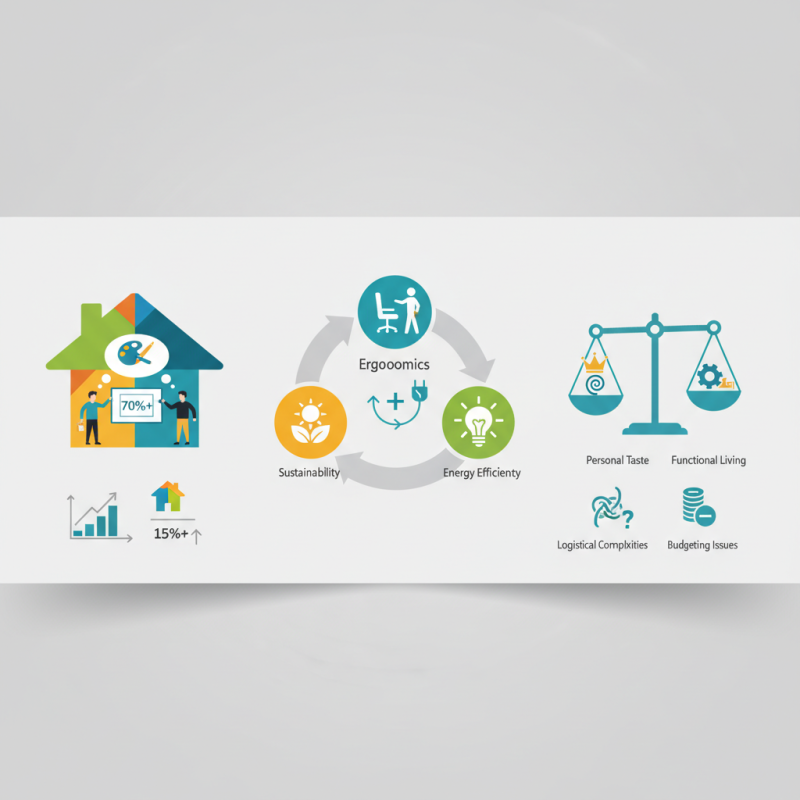
The "Benefits Of Whole House Customization" are increasingly recognized among global buyers. A recent study indicated that over 70% of homebuyers desire personalized living spaces. Customization allows buyers to express their style and meet specific needs.
Moreover, customized homes often lead to higher satisfaction rates. According to a market report by Zillow, personalized homes can appreciate in value by 15%. This figure reflects how tailored designs resonate with buyers. Custom features can enhance ergonomics, sustainability, and energy efficiency.
However, the process involves challenges. Buyers must navigate logistical complexities and potential budgeting issues. The focus on aesthetics can sometimes overshadow practical considerations. As the demand for customized homes rises, understanding the balance between personal taste and functional living becomes crucial.
Whole house customization allows homeowners to tailor their living spaces to their unique needs. This trend is increasingly popular among global buyers seeking personalization in design. A report by the National Association of Home Builders states that about 60% of homebuyers prioritize customization options when looking for new homes. The ability to select layouts, materials, and finishes ensures that each home reflects the owner's personality and lifestyle.
Many builders are now offering customizable homes that include open floor plans, energy-efficient features, and smart home technology. Recent research emphasizes that homes with these features tend to sell for 10-15% more than standard models. However, some buyers may find the selection process overwhelming. Each choice carries implications for budget and future resale value.
Tip: Start by defining your must-haves versus nice-to-haves to make the customization process smoother. Limit your options to avoid decision fatigue, and always consider the long-term implications of your choices. Customization can be a powerful tool, but it’s essential to remain grounded and realistic about your expectations. Taking time to reflect on your lifestyle needs will lead to a more satisfying home environment.
Tailored living spaces offer immense advantages for global buyers. Personalized designs can reflect individual tastes and lifestyles. This customization creates a sense of belonging in a new environment. Different cultures have unique needs and preferences, and a customized home addresses these effectively. For example, a buyer from a tropical region may desire open spaces and natural light, while a buyer from a colder climate may prioritize warmth and insulation.
Custom homes cater to specific family dynamics. Whether it’s accommodating children or creating a serene space for remote work, thoughtful design is crucial. Global buyers may also face challenges in adapting to different standards and practices in new countries. A tailored approach helps bridge these gaps. However, the process can be daunting. Buyers must navigate various regulations and local customs. This requires patience and a thorough understanding of the market.
An essential aspect is the emotional connection. When a space is tailored, it resonates on a deeper level. This can enhance overall well-being. Yet, it's important to reflect on the trade-offs. Customization may lead to higher costs or extended timelines. Buyers should weigh their priorities carefully. Balancing personal desires with practical considerations is key to achieving a truly fulfilling living space.
Customization in home building offers significant advantages for global buyers seeking tailored living solutions. Key features of customized homes include flexibility in design, functionality, and adaptability to individual lifestyles. Recent industry reports indicate that 70% of buyers prioritize energy efficiency in their custom homes. This reflects a growing awareness of sustainability and rising utility costs. Custom homes can incorporate solar panels, advanced insulation, and energy-efficient appliances, aligning with environmental trends and reducing long-term expenses.
Diverse needs shape the customization process. Families with young children may require secure play areas, while seniors often need single-level living spaces. According to the National Association of Home Builders, nearly 60% of buyers desire open floor plans, enhancing communication and flow. However, achieving a perfect space is challenging. Misjudging a room’s size or the integration of technology can lead to unforeseen issues. Buyers must consider future needs, which can change as families grow or lifestyles shift. Custom homes offer solutions, but realizing those visions demands careful planning and realistic expectations.
Customization in home design is not just a trend; it is an investment strategy. Personalized homes can significantly impact property values. A study by the National Association of Realtors revealed that custom home features can increase resale value by up to 20%. Buyers are often willing to pay a premium for unique designs and tailored spaces.
However, it is essential to consider potential pitfalls. Custom features can become outdated or may not appeal to future buyers. Trends change rapidly, and what feels personal today might not resonate tomorrow. Homebuyers should carefully assess the market demand for certain features.
**Tips:**
Think about timeless designs that can withstand trends. Focus on functionality over flashiness.
Investing in customization requires a balance. While personalized spaces may enhance immediate satisfaction, they should also focus on long-term value. Aesthetic elements must align with broader market tastes. Homeowners should remain informed about local market trends to ensure their investments pay off.
Customizing a whole house is more than just a trend; it's a profound lifestyle choice. Emotional benefits abound when creating living spaces that reflect personal tastes. Homeowners feel a sense of pride when their environment mirrors their identity. This connection fosters comfort and security, key factors in mental well-being. Customized elements, like unique layouts or personal artwork, can enhance daily living experiences.
Tips for effective customization include assessing your lifestyle needs first. Consider the routines you value daily. For example, if you love cooking, a spacious kitchen is crucial. Reflect on what makes you feel at home. It could be colors that soothe or textures that excite. Balancing personal preferences with functional design is vital.
Remember that customization is a journey. Not every decision will be perfect. Some choices may not resonate as expected. Embrace these moments to adjust and refine. Living environments evolve, just like personal tastes. Regular reflection on your space can lead to ongoing improvements. Creating a home that truly reflects your lifestyle requires patience and a willingness to adapt.
: Whole house customization allows homeowners to tailor their living spaces to meet unique needs and preferences.
About 60% of homebuyers want customization options to reflect their personality and lifestyle in their homes.
Homes with customizable features can sell for 10-15% more than standard models due to their appeal.
Buyers should define must-haves versus nice-to-haves to simplify the decision-making process.
Yes, custom features can boost resale value by up to 20%, but market demand matters.
Custom features might become outdated, making them less appealing to future buyers.
Focus on timeless designs and functionality, avoiding overly trendy features that may fade.
Reflect on lifestyle needs and consider the long-term implications of choices made during customization.
No, customization should balance personal satisfaction with broader market tastes for better investment.
Homeowners must stay informed about local trends to ensure their customization decisions are relevant and valuable.
Whole house customization offers significant benefits for global buyers seeking a living environment tailored to their unique preferences and lifestyle needs. By understanding the process of whole house customization, buyers can enjoy tailored living spaces that cater to diverse cultural backgrounds and personal tastes. Key features of customized homes include flexible layouts, personalized design elements, and the ability to incorporate local materials, ensuring that each home reflects the individuality of its owner.
Moreover, the impact of personalization extends beyond mere aesthetics; it can enhance property value and investment potential, making customized homes attractive in the real estate market. The emotional and lifestyle benefits are equally important, as customized living environments contribute to a sense of belonging and satisfaction. Ultimately, the benefits of whole house customization empower global buyers to create their dream homes, fostering a deeper connection to their living spaces.

CKY Home