Improving Home Resale Value With Tiles requires more than choosing an attractive pattern. Buyers notice how a surface feels underfoot, reflects daylight, and survives daily cleaning. China-made porcelain and ceramic tiles can offer strong value when their quality matches the room’s purpose. A dense porcelain tile may suit a busy hallway, while textured porcelain can provide safer footing near a shower or balcony. Small details matter. Clean grout lines matter too.
Property renovation adviser Daniel Chen explains, “The best tile upgrade improves daily living first, then supports the home’s market appeal.” That principle keeps resale decisions realistic. A glossy white wall tile can make a compact bathroom feel brighter. A warm stone-look floor can connect an open kitchen with the dining area. However, oversized tiles may create awkward cuts in a narrow room. Beautiful on a showroom wall, less convincing beside a toilet or doorway.
The strongest choices usually combine durability, neutral styling, and professional installation. Look for consistent sizing, suitable water absorption, reliable slip ratings, and clear product specifications. Ask for samples before ordering. View them beside your cabinets and natural light. This step prevents expensive surprises.
Resale value is never guaranteed.
Local buyer preferences, property location, and overall maintenance still influence the final result. A costly mosaic will not repair poor ventilation, cracked walls, or dated fixtures. In some homes, simple beige porcelain may outperform a dramatic imported design. That feels less exciting, but it may be wiser. The goal is not to make every room memorable. It is to make the home feel cared for, practical, and easy to imagine living in.
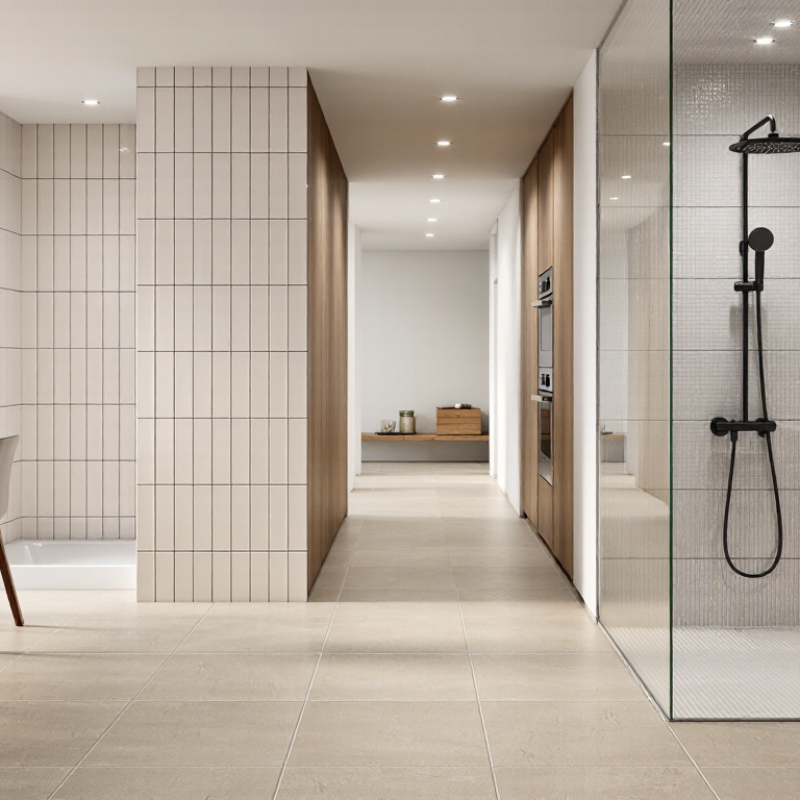
Top China Tiles to Improve Home Resale Value?
Tiles made in China can support resale value, but origin alone does not create buyer confidence. Consistent sizing, strong glaze quality, and low water absorption matter more. Porcelain tiles with low water absorption suit kitchens, bathrooms, and entryways. These areas face moisture, stains, and daily foot traffic. A durable surface feels practical during property viewings.
Design also affects perceived value. Soft stone patterns, warm neutrals, and restrained textures appeal to more buyers. Large-format tiles can make a small room appear cleaner and more spacious. However, oversized tiles may create installation challenges in older homes. Poor leveling can leave visible lippage. That detail may weaken an otherwise attractive renovation. I have seen buyers notice grout lines before noticing the tile itself. Installation quality is not optional.
Tips: Request water-absorption results, slip-resistance information, and product specifications before purchasing. Check that tile sizes remain consistent across several cartons. Keep spare tiles and installation records for future repairs. Choose grout that resists staining and matches the room’s traffic level. Verify that the materials meet local building requirements. A slightly plain tile may perform better than a fashionable design that quickly feels dated. Resale value is often built through quiet details: clean edges, reliable performance, and easy maintenance.
Tile installation can improve buyer appeal through durability, easy maintenance, water resistance, and a neutral design. However, public renovation studies do not isolate the resale return of tile origin or tile-only projects. The chart below provides a real-world comparison with broader home-improvement projects.
Average cost recouped at resale in the 2024 national Cost vs. Value renovation benchmark. A percentage above 100% indicates that the estimated resale value exceeded the original project cost. For tiles, installation quality, timeless styling, appropriate slip resistance, and long-term durability are more relevant than country of origin alone.
High-value interiors rarely depend on decoration alone. They need surfaces that look calm, wear evenly, and photograph well. For many Chinese tile collections, porcelain is the strongest starting point. Its low water absorption suits kitchens, bathrooms, entryways, and busy family rooms. Large-format porcelain slabs can create fewer grout lines, making a room feel wider and more tailored. They also imitate stone convincingly, although poor installation can quickly ruin that effect.
Rectified porcelain tiles work well in open-plan living areas. Their precise edges support narrow grout joints and a cleaner visual rhythm. Matte stone-look finishes often feel more expensive than glossy surfaces because they reduce glare and show fewer fingerprints. Terrazzo-look porcelain adds character without the sealing demands of traditional terrazzo. In smaller bathrooms, textured ceramic wall tiles can bring depth behind a vanity or shower. Keep the pattern controlled. Too much visual activity may date the space.
Practical details influence resale appeal. Check slip resistance for wet floors, abrasion ratings for hallways, and shade consistency across cartons. Tile samples should be viewed in daylight and warm evening light. I once underestimated grout color, and the final floor looked busier than expected. That mistake still matters: a soft, matching grout usually supports a larger, quieter appearance. Buyers may not name these details, but they notice when a room feels durable, balanced, and easy to maintain. Professional substrate preparation remains essential, even with excellent tile.
Tile quality and design can influence buyer appeal more than a low purchase price. In my renovation experience, buyers notice uneven joints, hollow sounds, chipped edges, and slippery bathroom floors quickly. Better China-made tiles should show consistent sizing, stable color, low water absorption, and clear test documentation. Porcelain is often practical for busy kitchens and entryways. Large-format surfaces can create fewer grout lines and a calmer visual effect. However, oversized tiles may expose poor floor preparation. That detail is easy to underestimate.
Design still needs restraint. Neutral stone textures, warm gray tones, and soft terracotta usually fit more interiors than aggressive patterns. The 2024 U.S. Houzz Bathroom Trends Study identifies porcelain and ceramic tile as leading choices in upgraded bathrooms, reflecting strong consumer familiarity.
The National Association of Realtors’ 2022 Remodeling Impact Report assigns bathroom renovations a 71% cost recovery estimate.
Tile alone cannot guarantee that return. It supports the impression of careful maintenance. For wet areas, ANSI A326.3 recommends a minimum wet dynamic coefficient of friction of 0.42 for level interior floors expected to become wet. Ask for test results, installation guidance, and batch consistency. A beautiful tile can still disappoint when grout stains, drainage is weak, or lighting reveals lippage. Some resale decisions remain subjective. That is why durability should lead the design, not follow it.
Chinese-made porcelain tiles can strengthen resale appeal when placed where buyers inspect first. Focus on entry floors, kitchen backsplashes, and bathroom surfaces. These areas show wear, moisture, and cleaning habits quickly.
The National Association of Realtors’ 2022 Remodeling Impact Report estimated 75% cost recovery for kitchen renovations and 71% for bathroom renovations. Tile alone will not create that return. However, durable porcelain, low water absorption, and consistent grout lines can support a buyer’s confidence.
In kitchens, use a restrained backsplash behind the cooking zone. Large formats create fewer grout joints and a cleaner visual field.
Choose matte or lightly textured flooring near entrances. Glossy surfaces can reveal dust and become slippery when wet. Keep it calm.
Bathrooms usually offer the strongest tile opportunity. Install slip-resistant porcelain on the floor, then use coordinated wall tile inside the shower. Continue the same color family around the vanity, but avoid covering every surface with busy patterns.
Houzz’s 2024 U.S. Bathroom Trends Study reported that homeowners continued investing heavily in updated showers and practical storage. Tile works best when it supports those functions, not when it competes with them.
Details matter. A common mistake is selecting beautiful tile before checking lighting, grout maintenance, and installer skill. Even affordable tile can look premium with flat transitions and accurate cuts. Yet resale preferences differ by region, so highly personal colors remain a calculated risk.
Choosing China tiles for resale value starts with durability, not a fashionable surface. In renovation projects, I check porcelain tiles with low water absorption, ideally below 0.5 percent. They resist stains, moisture, and temperature changes better than many standard ceramic options. For floors, review the PEI wear rating and slip resistance. A glossy tile may look impressive, but it can become dangerously slick near a shower or entrance.
Set a complete budget before comparing tile prices. Include adhesive, grout, delivery, cutting, waste, and professional installation. A cheaper box can become expensive after breakage and poor fitting. Ask for a sample and inspect its edges, thickness, shade, and surface under natural light. Check product documentation, test standards, and production batch details. Reliable sellers should explain these points without pressure. Keep extra tiles from the same batch for future repairs.
I once chose a highly polished floor tile because it made a small room appear larger. It also showed every footprint. That mistake changed how I judge value. Resale appeal depends on easy cleaning, consistent color, and practical texture. Large tiles can reduce grout lines, but uneven floors may require more preparation. Buying the strongest specification is not always sensible. A durable mid-range tile, installed carefully, may protect your budget better than a premium tile with careless workmanship. Be realistic about your installer’s skill.
| Tile Type | Typical Water Absorption | Recommended Areas | Typical Installed Cost per sq. ft. (USD) |
Durability & Maintenance | Resale Appeal | Best Budget Strategy |
|---|---|---|---|---|---|---|
| Standard Ceramic Tile | Generally above 0.5% | Interior walls, backsplashes, low-traffic floors | $5–$15 | Easy to clean; more vulnerable to chipping and moisture than porcelain | Good when the design is neutral and installation is professional | Use on walls and backsplashes to reduce material and labor costs |
| Standard Porcelain Tile | 0.5% or less under ASTM C373 classification | Kitchens, bathrooms, entryways, living areas | $7–$20 | Dense, stain-resistant, moisture-resistant, and suitable for heavy residential use | Very good; offers a durable, broadly acceptable finish | Prioritize porcelain in wet rooms and high-traffic spaces |
| Through-Body Porcelain | 0.5% or less under ASTM C373 classification | Busy hallways, kitchens, entryways, commercial-style residential areas | $9–$24 | Color runs through the tile body, helping minor chips appear less noticeable | Excellent for buyers who value long-term performance | Install selectively in the highest-wear zones rather than throughout the home |
| Textured or Slip-Resistant Porcelain | 0.5% or less under ASTM C373 classification | Bathrooms, mudrooms, laundry rooms, covered outdoor areas | $8–$22 | Improves traction; textured surfaces may require more frequent cleaning | Very good where safety and practical use are important | Choose a finish tested for the intended wet or outdoor application |
| Large-Format Porcelain | Usually 0.5% or less under ASTM C373 classification | Open-plan floors, feature walls, modern bathrooms | $10–$30+ | Fewer grout joints; requires a flat substrate and experienced installation | High in contemporary homes, provided installation quality is excellent | Use as an accent wall or in one key room to control labor costs |
| Wood-Look Porcelain | 0.5% or less under ASTM C373 classification | Kitchens, bathrooms, family rooms, high-moisture areas | $8–$22 | Resists moisture and scratches better than many natural wood floors; grout requires care | Good when color, plank size, and grout lines look natural | Use in moisture-prone rooms where buyers want a wood appearance without wood maintenance |
Porcelain is a strong starting point. It absorbs little water and suits kitchens, bathrooms, entryways, and busy family rooms.
Yes, fewer grout lines can make walls and floors feel wider and calmer. Poor floor preparation may expose uneven edges, though. That risk is easy to miss.
Their precise edges support narrow grout joints and a cleaner visual rhythm. Installation must be accurate. Small errors become very visible.
Matte stone-look finishes often feel refined and reduce glare. They also show fewer fingerprints than glossy surfaces.
Textured ceramic wall tiles can add depth behind a vanity or shower. Keep the pattern controlled. Too much activity may date the room.
Check consistent sizing, stable color, low water absorption, and clear test documents. Inspect carton samples under daylight and warm evening lighting.
It is essential when floors may become wet. Ask for wet-slip test results before choosing a surface.
A soft, matching grout usually creates a larger and quieter look. I once underestimated grout color. The floor became busier than expected.
No, tile cannot guarantee a financial return. It supports an impression of durability, careful maintenance, and balanced design.
Strong tiles still fail visually over weak substrates. Hollow sounds, chipped edges, uneven joints, and lippage quickly reduce buyer confidence.
Improving Home Resale Value With Tiles starts with choosing materials that combine durability, style, and practical appeal. China tiles can add value because they offer a wide range of colors, patterns, finishes, and sizes for creating attractive, cohesive interiors. High-value spaces such as kitchens, bathrooms, entryways, and living areas benefit from porcelain, ceramic, stone-look, wood-look, and large-format tiles. The right design can make rooms appear brighter, more spacious, and easier to maintain, which may increase buyer interest.
For maximum resale impact, homeowners should focus on areas that receive heavy use or strongly influence first impressions. Neutral colors, timeless patterns, slip-resistant surfaces, and easy-clean finishes usually appeal to a wider audience than highly personal designs. Tile quality also matters: buyers often notice consistent sizing, strong surfaces, moisture resistance, and professional installation. Within a budget, compare durability, maintenance needs, warranty coverage, and installation costs rather than choosing solely by appearance. A well-planned tile upgrade can deliver lasting function and a polished look without unnecessary expense.

CKY Home