Modern kitchens are becoming more personal, practical, and visually deliberate. This shift makes Creative Backsplash Ideas For Modern Kitchens more important than simple wall protection. In compact Chinese apartments, a backsplash must handle steam, oil, frequent cleaning, and limited natural light. It also needs to support the room’s visual rhythm.
The National Kitchen & Bath Association’s 2024 Kitchen Trends Report highlights durable surfaces, easy maintenance, and personalized design as major homeowner priorities. Houzz’s 2024 U.S. Kitchen Trends Study also reports strong interest in statement materials and layered kitchen details. These findings support a broader design direction: homeowners want surfaces that perform well and express character. Large-format porcelain can create a quiet stone effect. Handmade ceramic tiles add uneven edges and soft shadows. Fluted glass, brushed metal, terrazzo, and bold geometric mosaics offer different levels of visual energy.
Kitchen designer Susan Serra, CKD, has described the backsplash as “the jewelry of the kitchen.” That idea remains useful, but it is not perfect. Jewelry can attract attention; a backsplash must also resist stains, heat, moisture, and daily abrasion. A glossy tile may reflect sunlight beautifully, yet reveal fingerprints near the cooking zone. Dark grout can frame a pattern, but it may demand more frequent care.
The following China Top 10 Creative Backsplash Ideas for Modern Kitchens explores these choices through material performance, color balance, installation practicality, and maintenance. Each concept considers real kitchen behavior, not only showroom appeal. Some designs may look less dramatic. They may work better.
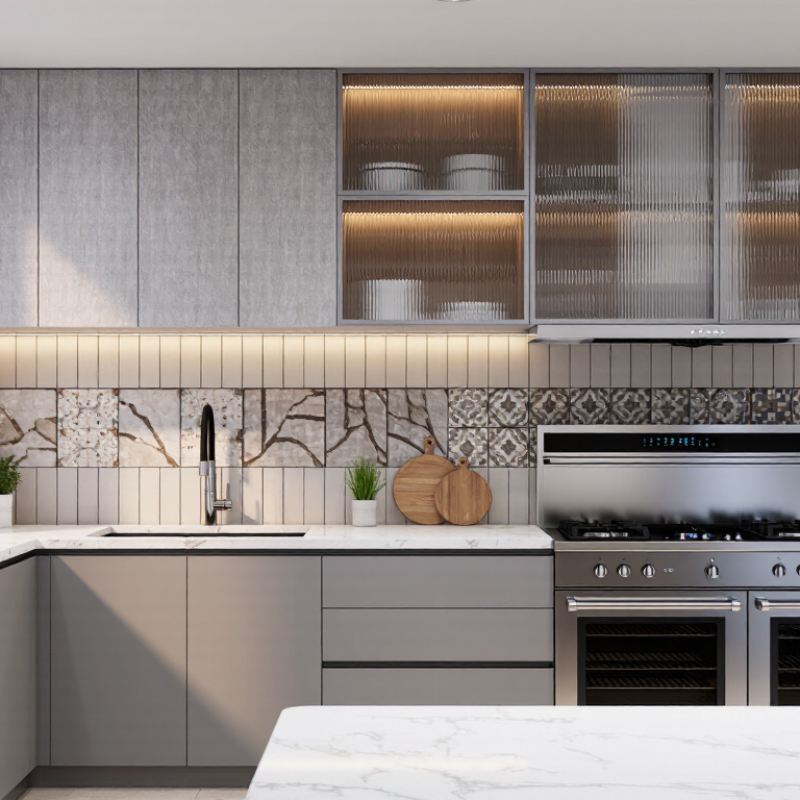
A creative backsplash is more than a decorative wall. It connects cabinetry, worktops, lighting, and daily cooking habits. In modern kitchens, designers increasingly treat this surface as an architectural plane. It may use fluted ceramic, handmade-look tile, terrazzo, ribbed glass, or a continuous stone effect. The strongest designs balance visual character with easy cleaning.
Practical details matter. A 100-millimeter upstand protects the counter edge, while a full-height panel can reduce grout maintenance behind a hob. Matte textures hide water marks, but deep grooves collect grease. I have seen bold patterns lose their appeal when installed under harsh white lighting. Imperfect choices happen. Sample materials beside actual cabinets and observe them at morning and evening.
Market data supports this wider material conversation. Grand View Research valued the global ceramic tiles market at approximately USD 227.9 billion in 2023 and projects a 6.3% compound annual growth rate from 2024 to 2030. That growth reflects expanding choices, not automatic quality. The NKBA 2024 Design Trends Report also highlights durable, natural-looking surfaces and larger formats in contemporary kitchens. For a compact room, a pale vertical tile can increase perceived height. For a large kitchen, a dark slab-style backsplash creates a calmer visual field. Keep electrical outlets accessible, confirm heat resistance, and specify low-maintenance grout where cooking is frequent. Function should remain visible.
Contemporary kitchens need backsplashes that balance visual impact with daily practicality. Here are ten innovative concepts for a refined cooking space: fluted ceramic tiles create soft shadows; terrazzo adds lively texture; backlit glass brings gentle evening illumination; and brushed metal offers a clean, professional surface. Recycled glass tiles reflect daylight beautifully. Hand-painted tiles introduce personal character, although their irregular patterns may require careful planning. Micro-mosaic sheets suit curved corners and compact kitchens. Wood-look porcelain provides warmth without absorbing kitchen moisture. A large-format stone slab reduces grout lines and creates a calm, spacious appearance. Magnetic backsplash panels can support small tools, but their strength should be tested before installation.
Tips: Choose heat-resistant materials behind cookers. Seal porous surfaces properly. Use grout that tolerates stains and frequent cleaning. Before fixing tiles, place sample boards under both daylight and warm lighting. Colors can shift more than expected.
I have found that texture often matters more than color in modern kitchens. A glossy surface may brighten a narrow wall, while a matte finish hides fingerprints better. Still, no material performs perfectly. Metal can show scratches, glass reveals dust, and complex mosaics demand patient maintenance. Measure outlets and cabinet edges twice. Leave room for movement around joints, especially with large slabs. A reliable installer should check wall flatness, ventilation, and local safety requirements before work begins.
Choosing materials, colors, patterns, and textures should begin with daily use, not only appearance. Houzz’s 2024 U.S. Kitchen Trends Study reports ceramic and porcelain tile as the leading backsplash choice, selected by about 64% of renovating homeowners. That preference makes sense: tile handles heat, wipes clean, and offers flexible sizes. Consider handmade-look terracotta, slim subway tile, or a ten-centimeter mosaic border. A soft green or clay color can warm white cabinetry. Deep blue creates contrast, but it may reduce visual brightness in narrow kitchens.
Texture adds character without demanding loud colors. Try fluted glass behind open shelving, brushed stainless steel near the cooktop, or quartz slabs with subtle veining. Terrazzo introduces chips of stone and color. Geometric tile can create movement, while a botanical pattern suits kitchens with timber accents. The National Kitchen & Bath Association’s 2024 Design Trends Report highlights natural materials, warmer neutrals, and layered visual detail. Those directions support matte finishes and earthy palettes. Still, glossy surfaces reflect more light and usually clean faster.
Grout deserves careful attention. I once chose pale grout from a small sample; cooking stains made the real result less forgiving. Mid-tone grout can define a pattern and hide minor marks. Large-format panels reduce joints, but installation errors become more visible. The Tile Council of North America recommends selecting tile systems according to moisture, heat, and maintenance conditions. Check those conditions before choosing beauty. A bold backsplash may look impressive online, yet feel tiring beside patterned counters. Small samples can mislead. Test materials beside cabinet doors, flooring, and daylight.
China Top 10 Creative Backsplash Ideas for Modern Kitchens
Matching Backsplash Ideas with Kitchen Layouts and Cabinets
A backsplash should follow the kitchen’s working rhythm, not simply fill a wall. In a galley kitchen, slim vertical tiles can visually raise the ceiling and reduce corridor pressure. Pair them with light, flat-panel cabinets and a narrow contrasting grout. Houzz’s 2024 U.S. Kitchen Trends Study reports ceramic or porcelain tile in 54% of upgraded backsplashes. That figure supports tile’s practical appeal, especially around sinks and cooking zones.
L-shaped layouts allow stronger visual zoning. Try a geometric backsplash behind the range, then continue a quieter surface along the return wall. For warm wood cabinets, handmade-look tiles add texture without competing with the grain. In a small U-shaped kitchen, large-format slabs create fewer grout lines and make corners feel calmer. The NKBA 2024 Design Trends Report highlights multifunctional kitchens and layered lighting as continuing priorities. A reflective backsplash can support that lighting, but glossy surfaces may reveal fingerprints quickly.
Island-focused layouts need a different approach. Keep the main backsplash restrained when the island already carries bold color or stone. Open shelving benefits from a durable, wipeable background. I would test two tile samples beside the cabinet doors, morning and evening. Digital color matching can mislead. A pale green may turn gray under cool LEDs. I once preferred the stronger pattern, but it made a compact kitchen feel restless. The quieter option worked better, though it looked less dramatic in photographs.
A modern kitchen backsplash should look inventive, but installation begins with practical planning. Before choosing one of ten creative directions, measure wall widths, outlet positions, and the area behind the cooktop. I once underestimated a corner, leaving an awkward narrow strip that required extra cutting. Draw the layout at full scale. Check the surface for moisture, grease, loose paint, and uneven plaster. Smooth, dry walls help tiles bond securely. For glass, metal, or textured panels, confirm heat resistance and allow expansion where the installer recommends it.
During installation, protect counters with thick cardboard and use spacers for consistent joints. Keep electrical fittings accessible; a beautiful pattern is not worth a difficult repair. Large-format porcelain creates fewer grout lines, while handmade-looking tiles add character but may vary in size. That variation can be attractive. It can also expose rushed workmanship. Seal porous grout after curing, especially near the sink. Silicone should fill movement joints, not ordinary grout. This small detail helps prevent cracking and water entry.
Cleaning habits determine whether a creative backsplash stays attractive. Wipe oil splashes with warm water and a mild, non-abrasive cleaner before residue hardens. Avoid harsh scouring pads on polished surfaces. For textured tile, use a soft brush around recessed areas. Inspect grout every few months for darkening, crumbling, or gaps. Repair small failures early. I have learned that maintenance is easy to postpone, especially after cooking, and that delay makes grease much harder to remove. Durability also depends on daily heat, moisture, and impact, not appearance alone. Keep a spare tile or panel piece for future repairs, because colors and batches can change.
Typical water absorption of popular backsplash materials (%)
Lower water absorption generally supports easier daily cleaning and better resistance to moisture penetration. Glass, stainless steel, quartz, and porcelain are typically low-absorption choices for areas behind sinks and cooktops. Natural stone, terrazzo, and cement tiles may require periodic sealing, while grout still needs routine cleaning regardless of the surface material.
Data note: Values are representative residential material ranges expressed as typical percentages; actual performance varies by product specification, finish, grout, and installation quality. Porcelain tile is commonly classified at ≤0.5% water absorption under ANSI A137.1.
It connects cabinets, worktops, lighting, and cooking habits. Fluted ceramic, terrazzo, ribbed glass, and stone-look panels create different visual effects. Practicality still matters.
Large-format panels or porcelain tiles reduce grout lines and simplify cleaning. A full-height surface behind the cooktop can limit grease buildup. No material is completely maintenance-free.
Test samples beside the actual cabinets and worktops. View them in morning daylight and warm evening lighting. Colors can shift unexpectedly. Texture may matter more than color.
Glossy surfaces can brighten a narrow wall and reflect daylight. Matte finishes usually hide fingerprints and water marks better. Deep grooves may collect grease.
Measure wall widths, cabinet edges, outlet positions, and the cooktop area. Check for moisture, grease, loose paint, and uneven plaster. Measure twice.
Draw the backsplash layout at full scale before fixing materials. Mark every outlet and cabinet boundary clearly. I once underestimated a corner and created a narrow unwanted strip.
Choose heat-resistant tile, glass, metal, porcelain, or another approved surface. Confirm heat limits with the installer. Keep electrical fittings accessible for future repairs.
Wipe oil splashes with warm water and mild cleaner before residue hardens. Use a soft brush in recessed areas. Avoid abrasive pads on polished finishes. Delay makes cleaning harder.
Use stain-resistant grout near sinks and cooking areas. Seal porous grout after it cures. Use silicone at movement joints instead of ordinary grout. Small details matter.
Keep spare pieces from the original installation. Color and material batches can change over time. Inspect grout every few months. Repair small gaps early.
Creative Backsplash Ideas For Modern Kitchens can transform an ordinary cooking space into a stylish, functional focal point. This article explores how creative backsplashes are defined in contemporary design and presents ten innovative concepts, including layered textures, geometric patterns, artistic tile arrangements, subtle metallic accents, natural-inspired surfaces, and practical feature walls. Each idea is developed to balance visual appeal with everyday usability, helping homeowners create a kitchen that feels modern, personal, and cohesive.
The guide also explains how to choose suitable materials, colors, patterns, and textures based on the kitchen’s layout, lighting, and cabinet style. It highlights the importance of coordinating the backsplash with open-plan areas, compact kitchens, islands, and different storage configurations. Finally, readers will learn how to plan installation, evaluate durability, simplify cleaning, and maintain the backsplash over time, ensuring that its appearance and performance remain attractive and practical for daily kitchen use.

CKY Home