Smart Home Integration for Kitchen Cabinets Trends and Tips?

Time:2026-05-25 Author:Isabella
0%

The trend of Smart Home Integration for Kitchen Cabinets is rapidly evolving. A report by Statista reveals that the global smart home market is expected to reach $174 billion by 2025. This growth is driven by consumer demand for convenience and efficiency in home design. Kitchens are increasingly becoming the focal point of smart home technology, as homeowners seek innovative solutions to enhance functionality.

Smart Home Integration for Kitchen Cabinets includes features like automated lighting, smart appliances, and IoT capabilities. The National Kitchen and Bath Association (NKBA) reported that 61% of homeowners prioritize technology in their kitchen renovation plans. As a result, manufacturers are continuously innovating to meet these evolving needs. However, integrating technology into kitchen cabinets can pose challenges. Balancing aesthetics with functionality is essential for long-term satisfaction.

As homeowners embrace smart technology, considerations of data privacy and system compatibility arise. The integration process can feel overwhelming. New solutions might not always work seamlessly with existing setups. Reflecting on these issues is critical for creating a truly smart kitchen environment that meets modern demands.
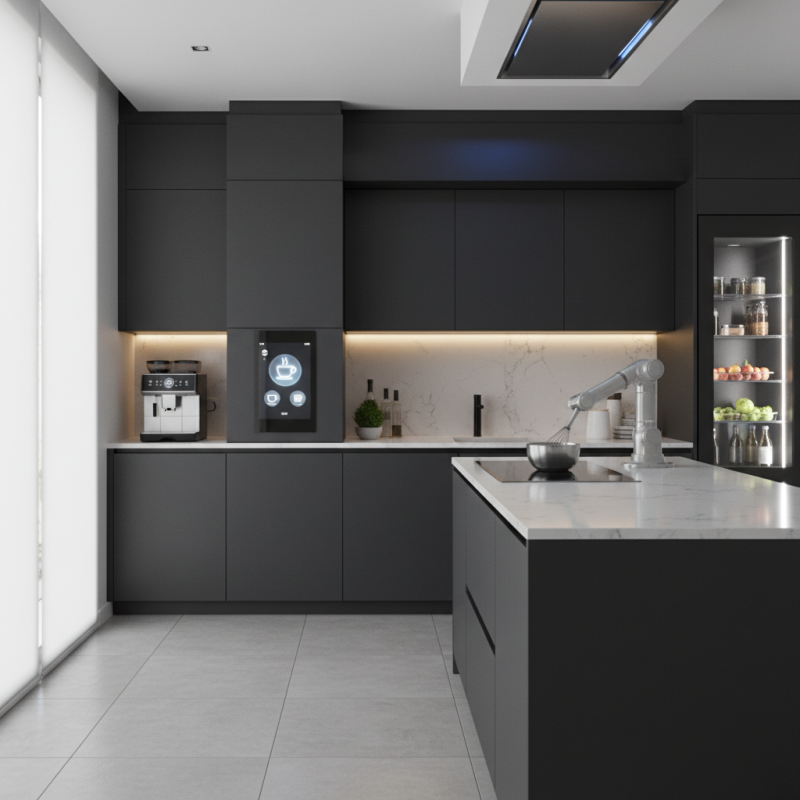
Smart Home Integration for Kitchen Cabinets Trends and Tips?

Current Trends in Smart Home Technology for Kitchen Cabinets

The kitchen is evolving with smart technology. Modern kitchen cabinets now feature digital solutions. These innovations enhance accessibility and efficiency.

One trend is touch-sensitive cabinets. A simple tap opens and closes them. This method reduces the physical strain on users. However, it may not always respond perfectly. Regular maintenance is important for optimum functionality.

Another trend involves integrated lighting. LED lights illuminate cabinets beautifully. They also help locate items easily. But, the installation can be complex. Ensure you consult a professional before making changes.

Tips for smart kitchen cabinet integration include starting small. Choose one feature to implement first. Assess its function and convenience. Also, consider energy efficiency in your choices. Smart solutions should not only be advanced but also eco-friendly. Experiment and evaluate to find the perfect balance for your space.

Popular Smart Features for Enhancing Kitchen Cabinet Functionality

Integrating smart features into kitchen cabinets can significantly enhance functionality. Smart lighting is a popular choice. It creates an inviting atmosphere while improving visibility. Imagine opening a cabinet, and the lights automatically turning on. This is not just convenience; it also adds a touch of luxury.

Another trending feature is smart sensors that monitor humidity and temperature. These sensors can notify you if foods are spoiling or if the environment is not ideal for storage. This technology is helpful but can lead to over-reliance on gadgets. Are you still checking food freshness manually?

Motion-activated drawers are also gaining traction. They open automatically when you approach them, eliminating the need for hands. It's a smart solution, but what happens when the sensors fail? Regular maintenance is crucial to prevent frustrations. Embracing smart technology requires careful consideration. Integration should enhance your kitchen experience, not complicate it.

Integration Options: Connecting Smart Cabinets with Home Automation Systems

The integration of smart cabinets into home automation systems is rapidly changing kitchen dynamics. Recent studies indicate that 75% of homeowners are now considering smart technologies for their kitchens. This trend highlights a growing demand for connected solutions that enhance functionality and convenience.

Connecting smart cabinets to home automation systems can streamline daily tasks. Imagine a kitchen where cabinets notify you when supplies are low or where items are stored. More than 50% of users report increased efficiency with smart storage solutions. These systems can be controlled via smartphones, allowing for remote management. The seamless integration improves the overall use of kitchen space while adding a layer of intelligence to everyday activities.

However, challenges remain. Not all smart cabinet installations guarantee a secure connection with existing home automation systems. Compatibility issues often arise, particularly with older systems. Homeowners must evaluate their technology infrastructure carefully. Ensuring the reliability of connections can prevent frustration. Constant software updates are also necessary to maintain security. Collectively, these considerations play a critical role in the successful integration of smart cabinets into modern kitchens.

Smart Home Integration for Kitchen Cabinets Trends

Best Practices for Choosing Smart Cabinets in Modern Kitchens

When selecting smart cabinets for modern kitchens, consider both functionality and design. Look for cabinets with touch-sensitive controls. These features can simplify your cooking experience. Adjustable shelving and compartments can enhance storage efficiency. Flexibility in organization is key. Think about the materials used—durability matters.

Keep in mind, smart technology can sometimes be overwhelming. Choose cabinets that are user-friendly. Check for compatibility with your existing home systems. This ensures a smooth integration. Aesthetics should not be overlooked. Smart cabinets should complement your kitchen decor.

Don’t forget about the installation process. Improper installation can lead to issues down the line. Consider hiring professionals for optimal results. Also, not all smart features may be necessary. Assess what fits your lifestyle best. It’s okay to feel unsure about your choices. Take your time to explore various options. Each decision can significantly impact your kitchen's functionality and style.

Tips for DIY Smart Upgrades on Existing Kitchen Cabinetry

Integrating smart technology into kitchen cabinets can elevate functionality and design. Recent surveys indicate that 70% of homeowners prioritize home automation. This trend is reshaping traditional kitchen spaces into tech-savvy environments. DIY updates on existing cabinetry can be both rewarding and cost-effective.

One effective approach is installing smart lighting. Motion sensors can activate LED strips within cabinets when doors open. This solution enhances visibility, especially in deep shelves. Consider adding smart locks to cabinetry. These locks provide secure storage for valuable items.

Another tip involves the use of smart organization tools. Apps can help track pantry inventory and suggest recipes based on available items. A recent industry report found that 58% of consumers desire technology that simplifies meal preparation. Incorporating these smart enhancements not only improves convenience but also creates a modern kitchen atmosphere. Implementing these ideas might require some trial and error. Certain setups may not work seamlessly, leading to adjustments in design or tech choices.

FAQS

: What benefits do smart cabinets offer to modern kitchens?

: Smart cabinets enhance functionality and convenience, helping track supplies and organize space efficiently.

How can homeowners integrate smart cabinets into existing systems?

Smart cabinets can be controlled via smartphones, but compatibility with existing systems should be evaluated carefully.

What challenges might arise from integrating smart cabinets?

Compatibility issues with older systems can cause frustration; reliable connections are crucial for effective use.

What features should I look for in smart cabinets?

Touch-sensitive controls, adjustable shelving, and durable materials enhance usability and efficiency for smart cabinets.

Is professional installation recommended for smart cabinets?

Yes, improper installation can lead to issues. Hiring professionals ensures optimal results and smooth integration.

How can I upgrade my existing cabinets to be smarter?

Installing smart lighting and locks, or using apps for organization can elevate your kitchen's functionality.

Are there simpler smart upgrades suitable for DIY projects?

Yes, motion sensor lighting and smart locks are great DIY options that improve convenience and security.

What should I consider when choosing smart cabinets?

Consider functionality, design, compatibility with existing systems, and how the cabinets will fit your kitchen's decor.

Can using smart technology be overwhelming?

Yes, it can feel overwhelming; choose user-friendly options and take time to explore what fits your lifestyle.

Are all smart features necessary for every kitchen?

Not all features may be needed. Assess your personal lifestyle to determine the best fit for your kitchen.

Conclusion

Smart Home Integration for Kitchen Cabinets is becoming increasingly popular as homeowners seek to enhance functionality and convenience in their kitchen spaces. Current trends highlight the incorporation of various smart technologies that allow for features such as automated lighting, temperature control, and touchless opening mechanisms. These innovations not only promote efficiency but also improve the overall aesthetic of modern kitchens.

When considering smart cabinets, it is essential to explore integration options with existing home automation systems, ensuring seamless communication and control. Best practices involve assessing individual needs, selecting reliable products, and understanding the compatibility with home networks. For those looking to upgrade their cabinetry affordably, DIY smart solutions present an accessible way to enhance kitchen functionality while embracing the latest trends in smart home technology.

Isabella

Isabella

Isabella is a dedicated marketing professional with a sharp focus on driving brand growth and engagement through strategic content creation. With an extensive background in digital marketing, she combines her passion for storytelling with her keen understanding of industry trends to deliver......