How to Optimize Small Kitchens with Custom Cabinets Efficiently?

Time:2026-08-23 Author:Aria
0%

Optimizing Small Kitchens with Custom Cabinets can transform limited spaces into highly functional areas. Many homeowners struggle with tiny kitchens, feeling cramped and disorganized. Custom cabinets provide tailored solutions that maximize storage while enhancing aesthetics.

When approaching this task, consider your specific needs. What items do you use most? Is there wasted space? Addressing these questions can guide your design process. A well-planned layout can make a small kitchen feel larger and more inviting.

Choosing the right materials and designs is crucial. Custom cabinets can reflect personal style while maintaining practicality. Yet, striking a balance between form and function requires thoughtful planning. Mistakes, like overcrowding or poor layouts, can hinder efficiency. Thus, reflecting on your choices is essential for creating a truly optimized space.
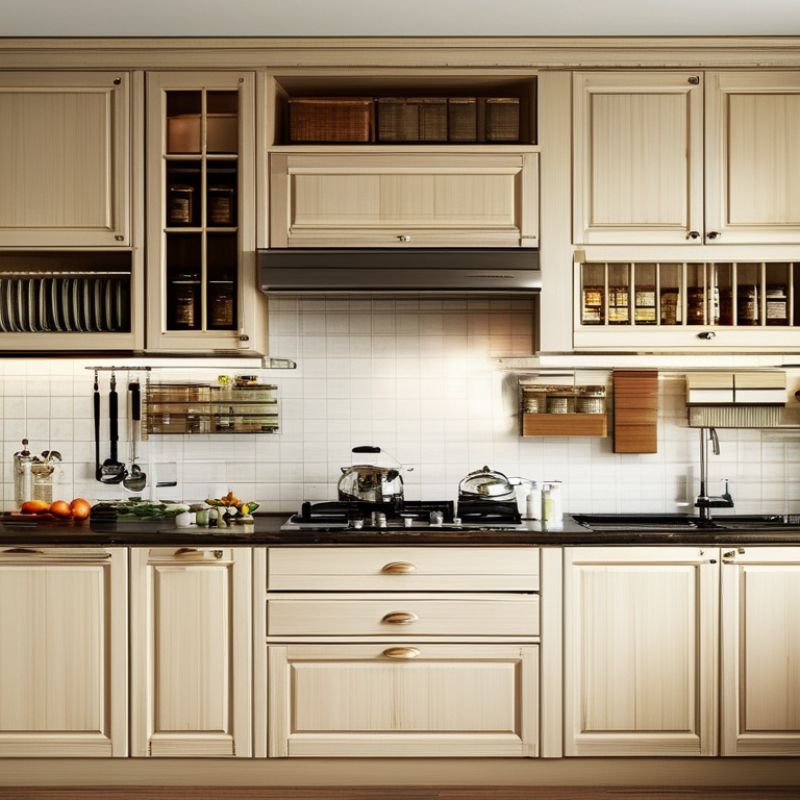
How to Optimize Small Kitchens with Custom Cabinets Efficiently?

Understanding the Importance of Custom Cabinets in Small Kitchens

Custom cabinets play a crucial role in optimizing small kitchens. They create a seamless flow while maximizing storage. With tailored designs, you can utilize every inch of space. High-quality materials also enhance durability, proving to be a worthy investment.

When designing your custom cabinets, focus on functionality. Consider combining open shelves with closed cabinets. Open shelves add visual space, while closed cabinets hide clutter. Choose lighter colors for a more expansive feel. Don’t forget about vertical storage to draw the eye upward.

Another aspect to consider is accessibility. Ensure frequently used items are within reach. Sometimes, you might need to step back and rethink the layout. Analyze how you cook and what you need readily available. Custom cabinets can truly reflect your culinary habits when designed thoughtfully.

Assessing Your Small Kitchen Space for Custom Cabinet Solutions

Assessing the space in a small kitchen is the first step towards optimizing it with custom cabinets. Begin by measuring your kitchen carefully. Know every inch, from the floor to the ceiling. This will help you visualize what can fit. Small kitchens often have odd nooks or corners that can be utilized effectively. A corner cabinet can provide storage and keep the space looking organized.

Consider your cooking habits as you assess your kitchen. What tools do you use often? Do you need more drawer space for utensils? Identifying your needs helps in designing cabinets that work for you. Think about open shelving or glass doors. They can create an illusion of space while still providing storage. However, maintaining an open shelf can be challenging, as dust accumulation can be an issue.

While thinking about custom cabinets, reflect on the materials and finishes. Light colors can make a small kitchen feel larger. But darker woods can also add richness and warmth. Balancing aesthetics and functionality is key. Custom solutions should not only look great but also serve their purpose. Mistakes during assessment can lead to wasted space, so take your time to plan and visualize.

How to Optimize Small Kitchens with Custom Cabinets Efficiently?

Dimension Value Description
Kitchen Width 7 ft Width of the kitchen space
Kitchen Length 10 ft Length of the kitchen space
Ceiling Height 8 ft Height from floor to ceiling
Available Wall Space 15 ft Total wall space for cabinetry
Storage Needs 20+ items Items that need to be stored
Custom Cabinet Depth 24 in Standard depth for maximizing space
Design Style Contemporary Desired aesthetic for cabinets
Finish Type Matte Preferred finish for cabinets

Design Tips for Maximizing Storage with Custom Cabinets

When dealing with small kitchens, custom cabinets can make a significant difference. Look for cabinets that reach the ceiling. This design not only maximizes vertical space but also allows for extra storage for seldom-used items. Consider incorporating pull-out shelves. These features enhance accessibility, making it easier to get to pots and pans without digging through clutter.

Utilize corner spaces effectively by installing lazy Susans or popup shelves. These options turn otherwise wasted areas into functional storage. Remember, lighting matters. Soft under-cabinet lighting can brighten your workspace and create an inviting atmosphere.

Think about including a mix of open and closed cabinetry. Open shelves can showcase beautiful dishware while closed cabinets keep the space looking tidy. However, be mindful of clutter; balance is key. Customization helps you reflect your style, but it should never overshadow practicality. Careful planning and thoughtful design choices are crucial to creating a small kitchen that feels spacious and organized.

Choosing the Right Materials and Finishes for Small Kitchen Cabinets

Choosing the right materials and finishes for small kitchen cabinets is crucial for optimizing space. The decision can impact both functionality and aesthetics. Experts suggest that cabinetry materials should balance durability with weight. Lightweight options, like plywood or medium-density fiberboard (MDF), are optimal for smaller spaces. These materials can handle kitchen humidity while keeping your overall weight in check.

Colors and finishes also matter. Light hues expand visual space, creating an illusion of openness. Glossy finishes reflect light, enhancing brightness. According to a 2021 survey by the National Kitchen & Bath Association, 60% of homeowners prefer lighter shades for small kitchens. Matte finishes might show fingerprints more easily, requiring frequent maintenance. If you choose a darker color, ensure there’s adequate lighting to compensate for the reduced brightness.

Consider investing in custom cabinet designs to maximize storage. Adjustable shelves and pull-out drawers can help utilize vertical spaces. Small details, like integrated lighting inside cabinets, can add functionality. Pay attention to the hardware too; sleek handles can make a significant difference. Having the right features not only beautifies your space but also enhances everyday usability.

Budgeting and Planning for Custom Cabinet Installation in Small Spaces

When budgeting for custom cabinet installation, understanding your space is crucial. Small kitchens need strategic planning to maximize efficiency. Start by measuring your kitchen thoroughly. Consider the layout and how you use the space daily. Don’t overlook small details. Each inch counts, especially when space is limited.

Custom cabinets can be costly, so careful budgeting is essential. Determine how much you are willing to spend. Assess your needs versus wants. Sometimes, spending on higher-quality materials is worth it. Remember, the aesthetics should align with functionality. You might need to compromise on some design elements for practicality, which can be a tough decision.

For many, it’s challenging to visualize the end result. Use design software or consult with a professional. They can provide insights you might miss. Avoid rushing into decisions; take your time to reflect on designs. Small mistakes can lead to wasted space and money, which is frustrating. Careful planning will help create a kitchen that feels both spacious and functional.

Budget Allocation for Custom Cabinets in Small Kitchens

This bar chart illustrates the budget allocation for custom cabinet installation in small kitchens. The expenses include materials, labor, design, installation, and finishes, helping homeowners plan their renovation costs effectively.

FAQS

: Why are custom cabinets important for small kitchens?

: They maximize storage and create a seamless flow, optimizing every inch of space.

What materials are recommended for small kitchen cabinets?

Lightweight options like plywood and MDF are ideal, balancing durability and weight.

How can I make my small kitchen feel larger?

Choose lighter colors and glossy finishes to create an illusion of openness and brightness.

What should I consider when planning cabinet accessibility?

Ensure frequently used items are easily reachable to enhance your cooking efficiency.

How can I budget effectively for custom cabinet installation?

Measure your space and assess your needs versus wants to determine your spending limit.

What design elements should I focus on for functionality?

Consider adjustable shelves, pull-out drawers, and integrated lighting for enhanced usability.

How does layout impact custom cabinet design?

Analyze your daily kitchen use to optimize layout and storage effectively, avoiding wasted space.

What challenges might I face when designing custom cabinets?

Visualizing the end result can be tough. Take your time to reflect on available designs.

Why might I need to compromise on design elements?

Sometimes, practicality takes precedence over design to ensure optimal functionality within limited spaces.

How can I avoid common mistakes in my custom cabinet project?

Use design software or professional consultations to prevent decisions that waste space and money.

Conclusion

Optimizing small kitchens with custom cabinets is crucial for enhancing both functionality and aesthetics in limited spaces. Understanding the significance of custom cabinetry allows homeowners to tailor solutions that maximize storage while complementing the kitchen's style. Assessing the kitchen's dimensions and layout is the first step towards designing custom cabinets that fit seamlessly into the area.

To make the most of what limited space offers, incorporating design tips such as vertical storage and pull-out shelves can significantly improve organization. Additionally, choosing the right materials and finishes not only elevates the kitchen's look but also ensures durability. Finally, careful budgeting and planning are essential for the successful installation of custom cabinets, making the most of a small kitchen while reflecting personal taste.

Aria

Aria

Aria is a dedicated marketing professional with a deep passion for innovative strategies and a keen understanding of our company's product offerings. With a wealth of experience in the industry, Aria excels at crafting engaging content that highlights the unique features and benefits of our......