When investing in marble countertops, understanding proper care is essential. This is where the "Marble Countertop Maintenance Guide" becomes invaluable. Marble is luxurious but can be delicate. Homeowners often overlook the maintenance needed for their marble surfaces. With correct information, preserving the beauty of your countertop becomes manageable.
Cleaning and protecting marble requires specific techniques. Many users struggle with stains and scratches. This guide aims to alleviate those concerns. It offers practical advice rooted in experience and expertise. Knowledge of best practices will help maintain your marble’s luster and integrity.
Choosing marble is a long-term investment. Neglect can lead to costly repairs or replacements. A committed approach to maintenance is necessary. This may not always be easy. Sometimes, it involves trial and error. Recognizing the potential pitfalls is crucial for success. Adopting a proactive mindset ensures your marble countertop remains stunning for years to come.
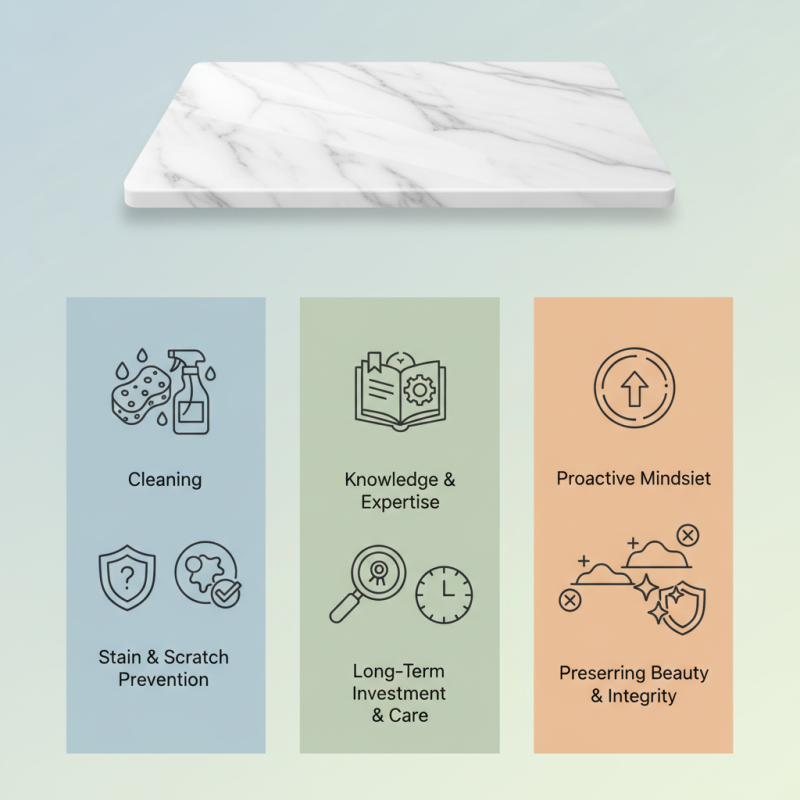
Marble countertops are both beautiful and unique, valued for their elegance. Their composition consists of crystallized calcite or dolomite. This natural stone also features intricate veining that makes each slab distinct. Understanding marble's characteristics helps buyers appreciate its qualities.
However, marble is porous and requires care. It can absorb liquids, leading to stains if spills are not wiped promptly. The soft surface is also prone to scratching. Frequent use of cutting boards is essential to protect the countertop. Additionally, acidic substances like lemon juice can dull the finish, necessitating extra caution.
Maintenance involves regular sealing every 6-12 months to prevent damage. A simple solution of warm water and mild soap works wonders for cleaning. Despite its beauty, the upkeep can be demanding. It requires diligence to maintain its luster. Understanding the nuanced nature of marble emphasizes the responsibility of ownership.
When considering marble countertops, understanding the various types and their durability ratings is crucial. There are several common types of marble used in countertops. Carrara, known for its white and gray veining, is a popular choice. It scores a 3 on the Mohs hardness scale, making it relatively soft and susceptible to scratching. Its beauty comes with a need for careful maintenance.
Another common type is Calacatta marble. This variant showcases bold, dramatic veining and offers a striking aesthetic. However, it also shares a durability rating of 3 on the Mohs scale. Users should be cautious about staining, as Calacatta is more porous. In a study by the Marble Institute of America, nearly 30% of homeowners reported issues with scratching and staining over time.
Lastly, Statuario marble stands out for its luxurious appearance. It combines features of both Carrara and Calacatta, yet it’s slightly more durable, rating a 4 on the Mohs scale. Despite this, it remains sensitive to acidic substances, which can etch the surface. Homeowners should weigh the visual appeal against maintenance challenges. Understanding these aspects allows buyers to make informed decisions that fit their lifestyle and preferences.
| Marble Type | Color Variations | Durability Rating | Maintenance Tips |
|---|---|---|---|
| Carrara Marble | White with gray veining | Moderate | Seal regularly, clean with pH neutral cleaners |
| Calacatta Marble | White with bold gold or gray veining | Moderate to High | Seal frequently, use coasters and avoid acidic substances |
| Crema Marfil | Cream with light veining | Moderate | Seal every 6 months, clean spills immediately |
| Emperador Marble | Dark brown with light veining | High | Seal every year, use soft cloths for cleaning |
| Pietra Gray Marble | Dark gray with lighter veins | Moderate | Regular sealing, avoid harsh chemicals |
Marble countertops add elegance to any space. However, they require careful cleaning to maintain their beauty. Regular dusting with a soft cloth helps prevent scratches. Spills should be wiped up immediately. This helps prevent staining and dullness. For deeper cleaning, warm water mixed with mild dish soap works well. Avoid using acidic cleaners, as they can etch the surface.
Using coasters and placemats can protect marble from heat and scratches. Despite its beauty, marble is porous and can absorb liquids. Sealing countertops regularly will help resist stains. Still, sealing is not a foolproof solution. Over time, even sealed surfaces may show wear and tear. It's wise to inspect your marble regularly for signs of damage.
If your marble shows dull spots, a gentle polishing cream can restore its shine. Many homeowners overlook this essential step. It requires time and effort, but the results are worth it. Make sure to follow the instructions carefully. This ensures the surface remains intact. Regular maintenance can prevent big problems later. Marble deserves the best care, even if it requires extra attention.
Marble countertops offer timeless beauty. However, they require diligent care to prevent stains and scratches. Regular maintenance is essential to keep them looking pristine. One crucial step is sealing the marble. A good quality sealant can prevent liquids from penetrating the surface. This simple action can save you from potential stains.
It’s also important to wipe up spills immediately. Avoid letting acidic substances like lemon juice or vinegar sit on the surface. These can etch the marble and leave dull spots. Using coasters and placemats can protect the countertop during meal prep. Remember, hot items can also cause damage. Always use trivets or heat pads.
Cleaning should be done with gentle, pH-balanced cleaners. Abrasive scrubbers can scratch the surface. Use a soft cloth for daily cleaning. Regularly inspect for any signs of wear. If you notice scratches or dull spots, consider professional restoration. It’s vital to address these issues promptly. Taking these precautions can enhance the longevity of your marble countertops.
Caring for marble countertops requires attention and the right techniques. Regular maintenance is crucial. Start by cleaning your countertops with a soft cloth and a mild soap solution. Avoid acidic cleaners, as they can damage the surface. For tougher stains, a paste made from baking soda and water can work wonders. Let it sit for a few hours before rinsing.
Sealing is another vital part of marble upkeep. It protects against stains and etching. A good-quality sealer should be applied every six to twelve months. Test your surface for permeability by sprinkling water on it. If it absorbs, it's time to seal. Pay attention to high-traffic areas, as they might require more frequent care.
Invest in a quality marble-specific cleaner for daily use. These products are designed to maintain the stone's natural shine without causing harm. Use coasters and cutting boards to prevent scratches. Remember, natural stone is not perfect. It can chip or stain over time. Accepting imperfections is part of owning marble. Regular inspection allows for timely repairs and keeps your surfaces looking great.
: Carrara, Calacatta, and Statuario are popular choices for marble countertops.
Carrara marble has a Mohs hardness rating of 3. It is relatively soft and can scratch easily.
Calacatta marble features bold veining but is also rated a 3 for durability. It may stain more easily.
Regular dusting with a soft cloth and immediate spill cleanup is essential to prevent damage.
Avoid acidic cleaners as they can etch and damage the marble surface.
Seal your marble every six to twelve months to protect against stains and etching.
Use a gentle polishing cream to restore shine. Follow instructions carefully for best results.
Yes, natural stone can chip or stain over time. Regular inspection helps manage these issues.
Using coasters and placemats can prevent heat damage and scratches on marble surfaces.
Marble is a natural stone with unique flaws. Recognizing these can enhance appreciation for its beauty.
The "Marble Countertop Maintenance Guide" provides essential insights for buyers looking to care for their marble surfaces. It begins by explaining the composition and characteristics of marble countertops, highlighting their unique aesthetic appeal and variations in durability based on the type of marble chosen.
The guide emphasizes essential cleaning techniques that are crucial for extending the lifespan of marble surfaces, such as using pH-neutral cleaners and avoiding abrasive materials. Preventive measures against stains and scratches are also discussed, including the importance of sealing the marble regularly. Additionally, the article offers professional maintenance tips and recommends suitable products that help maintain the beauty and integrity of marble countertops, ensuring they remain an elegant centerpiece in any kitchen or bathroom for years to come.

CKY Home