Luxury Sanitary Ware Brand Comparison for Global Buyers?

Time:2026-07-04 Author:Aria
0%

In the ever-evolving world of luxury sanitary ware, consumers face a plethora of choices. This makes a careful Luxury Sanitary Ware Brand Comparison essential for discerning buyers. A recent report from Research and Markets revealed that the global luxury sanitary ware market is projected to reach $13.8 billion by 2026, growing at a CAGR of 5.5%. This growth signifies increasing demand for high-quality, aesthetically pleasing bathroom fixtures.

Mark Johnson, a renowned industry expert, once stated, "Luxury is not just about price; it’s about how a product enhances everyday life." This highlights the importance of not only considering brand prestige but also product functionality and design. Buyers should critically evaluate factors such as materials, technology, and sustainability when making their decisions. While many brands excel in design, a few falter in durability or customer support, emphasizing the need for in-depth comparisons.

Engaging in a Luxury Sanitary Ware Brand Comparison can be daunting. Brands might offer similar price ranges but differ significantly in features and customer satisfaction. By examining both well-established and emerging brands, consumers can make informed choices that align with their personal needs and values. In this landscape, informed decisions are crucial, yet many buyers may not fully leverage available resources for comparison.
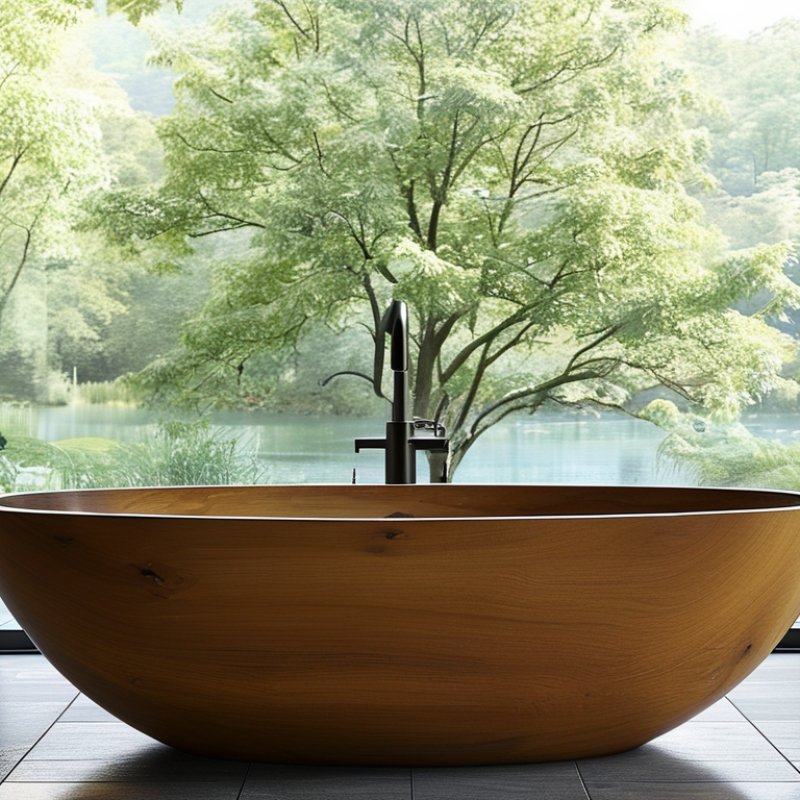
Luxury Sanitary Ware Brand Comparison for Global Buyers?

Luxury Sanitary Ware: Defining Characteristics and Trends

Luxury sanitary ware has evolved significantly, influenced by changing consumer preferences and technological advancements. High-quality materials like porcelain and natural stone are now standard. A report from MarketsandMarkets highlights a projected growth rate of 4.5% in the luxury sanitary ware market from 2022 to 2027. This trend indicates a growing appreciation for design and functionality.

Sustainability is another defining trend. Brands are focusing on eco-friendly products, utilizing water-saving technologies. According to a study by McKinsey, 70% of luxury consumers prioritize sustainability in their purchasing decisions. This reflects a shift in buyer attitudes. However, luxury doesn't always equate to sustainability. Some products might appear eco-friendly but lack overall transparency in sourcing.

Customization is also rising in importance. Consumers are seeking unique designs that enhance their living spaces. A survey by the National Kitchen and Bath Association found that over 60% of homeowners are willing to invest more for tailored products. Yet, this custom nature can lead to higher costs, sometimes excluding valuable segments of the market. Balancing luxury with accessibility remains a critical challenge.

Top Global Brands in the Luxury Sanitary Ware Market

In the competitive realm of luxury sanitary ware, brand reputation matters. Buyers seek quality, aesthetics, and innovation. Many top brands have consistently maintained a focus on superior craftsmanship. Their products often reflect the latest design trends and technological advancements.

Some brands excel in unique features. For example, smart toilets with self-cleaning options or high-efficiency faucets attract attention. Moreover, the balance between functionality and elegance is crucial. Buyers appreciate products that not only serve a practical purpose but also enhance bathroom aesthetics.

However, even high-end brands can face challenges. Some products may not meet all user expectations. Issues like pricing or availability can be barriers. Buyers should weigh these factors carefully. While luxury products promise premium experiences, the reality may sometimes differ. Thoughtful consideration is key to making the right choice in this upscale market.

Luxury Sanitary Ware Brand Comparison for Global Buyers

Brand Origin Product Range Price Range (USD) Sustainability Practices Warranty Period
Italy Vanities, Toilets, Faucets 800 - 5,000 Recycled Materials, Low Water Usage 10 Years
Germany Showers, Sinks, Accessories 500 - 3,000 Energy Efficient, Eco-Friendly Products 5 Years
USA Toilets, Bathtubs, Showers 600 - 4,000 Water Saving Technology, Sustainable Sourcing Lifetime
Japan Toilets, Washlets, Sinks 700 - 3,500 Innovative Designs, Low Water Usage 3 Years
France Sinks, Benches, Faucets 900 - 4,500 Craftsmanship, Sustainable Practices 5 Years

Comparative Analysis of Product Features and Materials

When exploring luxury sanitary ware, an essential factor is the materials and product features. High-end brands often utilize ceramics, composites, and even eco-friendly resources. According to industry reports, over 40% of buyers prefer sustainable materials for their bathroom renovations. This trend is significant due to a rising awareness of environmental impacts.

Ceramic remains a classic choice for its durability and aesthetic appeal. However, newer materials like composite stone offer unique advantages. They are less porous and can resist stains better than traditional options. The ongoing competition among brands encourages continuous innovation. Shifts toward user-friendly designs also play a crucial role.

Tip: When choosing, consider maintenance requirements. High-gloss finishes may look stunning but often show fingerprints or smudges, requiring frequent cleaning. Another consideration is the product's overall reliability. Occasionally, a stylish design may mask flaws in functionality. Assessing user reviews can help uncover these insights.

Pricing Strategies of Leading Luxury Sanitary Ware Brands

In the luxury sanitary ware market, pricing strategies vary widely among competing brands. Some brands position themselves at the high end, using premium materials and craftsmanship. This approach creates a perception of exclusivity and high value. Buyers expect perfection in design and functionality. However, high prices do not always guarantee the best quality.

A contrasting strategy involves offering competitive pricing while maintaining quality. Brands aiming for a broader market often adopt this model. They focus on innovative designs, appealing to contemporary tastes without breaking the bank. This approach acknowledges that not all buyers have unlimited budgets. Yet, it raises questions about quality control and brand image.

Interestingly, consumer behavior plays a critical role in shaping these strategies. Buyers often research extensively before making a decision. They seek reviews, design inspirations, and price comparisons. This search for information can lead to confusion. Some may question if a high price truly reflects the product’s value. Ultimately, the luxury of sanitary ware hinges on striking a balance between exclusivity and accessibility.

Consumer Preferences and Buying Trends in Luxury Sanitary Ware

In the realm of luxury sanitary ware, consumer preferences are becoming increasingly sophisticated. Buyers seek both functionality and aesthetic appeal. They are drawn to designs that blend innovation with elegance. Features like water-saving technologies and easy maintenance are significant considerations. Many consumers now desire products that combine luxury with sustainability. Eco-friendly options are gaining traction among discerning buyers.

Moreover, buying trends indicate a shift towards personalized experiences. Customers are favoring brands that offer customization. They enjoy choosing finishes, colors, and materials that reflect their unique style. This trend shows a deeper connection to home design. However, some brands struggle to keep up with these evolving expectations. Ensuring product quality while catering to individual tastes can be challenging.

As luxury sanitary ware evolves, transparency plays a crucial role. Consumers increasingly value brands that share their sourcing practices and manufacturing processes. They prefer companies with a commitment to ethical production. Yet, navigating this balance between luxury and responsibility is not always straightforward for brands. Finding the right message to engage the informed buyer is essential.

FAQS

: What materials are commonly used in luxury sanitary ware?

: Ceramics and composites are popular. Eco-friendly materials are gaining attention too due to rising environmental awareness.

Why do buyers prefer sustainable materials?

Over 40% of buyers want eco-friendly options for bathroom renovations. Environmental impact awareness drives this preference.

What should I consider when choosing sanitary ware?

Maintenance requirements are essential. High-gloss surfaces may require frequent cleaning due to fingerprints and smudges.

Do high prices guarantee high quality in products?

Not always. Some expensive options may not perform better than competitively priced products. Quality varies regardless of price.

How do consumer behaviors influence luxury sanitary ware pricing?

Buyers conduct extensive research. They look for reviews and price comparisons, which can lead to confusion in decision-making.

Are personalized experiences becoming more important in buying trends?

Yes, consumers seek customization in finishes and materials to express their unique styles. Brands face challenges meeting these expectations.

What technologies do consumers find appealing in luxury sanitary ware?

Water-saving technologies and easy maintenance features attract discerning buyers seeking both luxury and practicality.

How important is transparency in the luxury goods market?

Very important. Consumers value companies that share their sourcing and manufacturing practices, reflecting a commitment to ethical production.

What challenges do brands face in adapting to consumer preferences?

Balancing personalized options with maintaining product quality can be difficult, as customer tastes continually evolve.

Is there a risk of brands overpromising on luxury features?

Yes, sometimes a stylish design may hide functional flaws. It's crucial to assess user reviews for realistic expectations.

Conclusion

The article "Luxury Sanitary Ware Brand Comparison for Global Buyers" explores the defining characteristics and emerging trends in the luxury sanitary ware market. It highlights the essential features and materials that differentiate top brands and provides a comparative analysis focusing on quality, design, and innovation.

Additionally, the discussion includes insights into the pricing strategies employed by leading manufacturers and examines consumer preferences and buying trends in this affluent segment. Overall, the luxury sanitary ware brand comparison serves as a valuable resource for global buyers looking to make informed decisions in this competitive market.

Aria

Aria

Aria is a dedicated marketing professional with a deep passion for innovative strategies and a keen understanding of our company's product offerings. With a wealth of experience in the industry, Aria excels at crafting engaging content that highlights the unique features and benefits of our......