When designing an ergonomic kitchen, thoughtful choices make a significant impact. Understanding the Ergonomic Kitchen Cabinet Design Principles is essential for buyers. These principles help create a workspace that is not just functional but also comfortable and efficient.
A well-designed kitchen cabinet should maximize accessibility and usability. Cabinets need to be at the right height to minimize strain. Consideration should also be given to the depth and organization of cabinets. This promotes smoother movements while cooking or cleaning. Many overlook how the layout can affect daily tasks.
Reflecting on your kitchen habits is crucial. What works for one may not work for another. Knowing your needs can lead to better choices. As you explore these design principles, remember they are guidelines, not strict rules. In the end, enhancing your kitchen should feel intuitive and support your lifestyle.
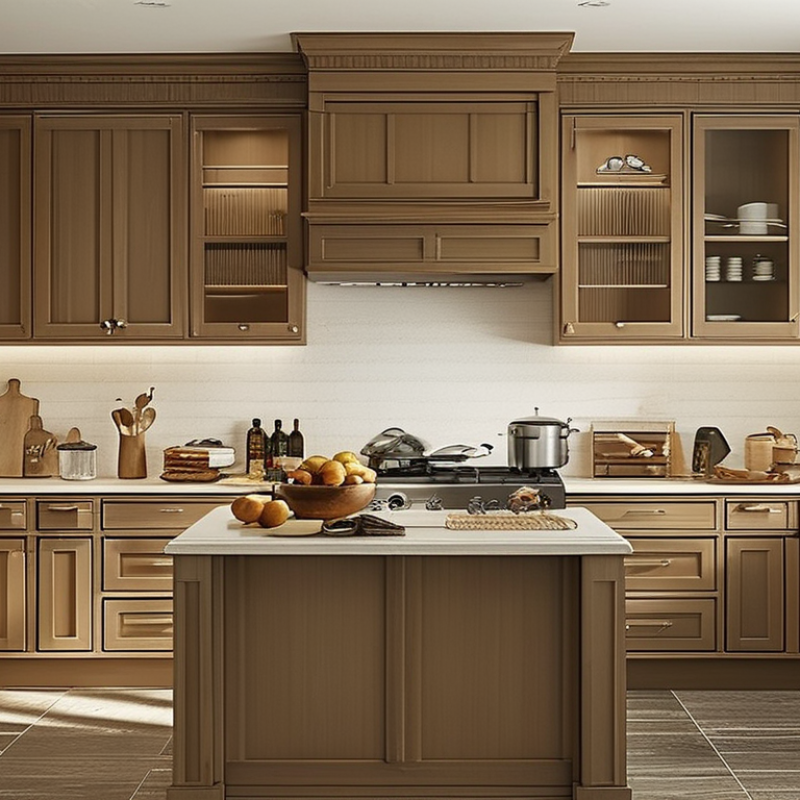
When considering kitchen cabinet design, ergonomics plays a crucial role. The right height and depth can significantly impact your cooking experience. A well-designed kitchen minimizes strain and maximizes efficiency. Cabinets should cater to your specific needs, whether you're tall or short.
Tips: Measure your counter height. Cabinets should align well with it. Consider pull-out shelves for easier access. They can save you from bending too much.
Accessibility is another key factor. Think about the layout of cabinet doors and drawers. Those should not obstruct movement. If you cook frequently, locate essential items within arm's reach. Items you use less often can be stored higher up.
Tips: Use clear containers for visibility. Group similar items together to reduce wasted time. Avoid clutter; it can lead to frustration.
Reflect on the overall workflow in your kitchen. A poorly designed space can make meal prep cumbersome. Pay attention to the size of your kitchen. Sometimes, less is more. The goal is a functional and comfortable cooking environment.
When designing a kitchen, key measurements are essential for cabinet placement. The standard height for wall cabinets is about 18 inches above the countertop. This distance allows for easy access while ensuring ample workspace. However, not all kitchens fit this mold. Some users find this height too high or too low based on their usage patterns. Tailoring the height to your specific needs can enhance comfort and functionality.
The depth of base cabinets typically ranges from 24 inches. However, deeper cabinets can offer more storage but may impede movement. A common mistake is not considering the kitchen layout. Traffic flows and workflow impact how easily you can access items. Proper spacing between cabinets and appliances is crucial. A gap of at least 36 inches is often recommended for accessibility.
Don’t overlook the placement of drawer pullouts. They should be within 15 inches of the countertop's edge for easy access. It's vital to keep your personal preference in mind as well. Everyone has different ergonomic needs. Testing these heights and depths can help refine your kitchen design process. Making adjustments during the planning phase can lead to a more user-friendly kitchen environment.
When selecting materials for kitchen cabinets, focusing on ergonomic functionality is crucial. According to the National Kitchen and Bath Association (NKBA), kitchen design significantly affects the user’s experience. A well-planned ergonomic kitchen can reduce strain and improve efficiency. One research study found that 75% of homeowners prioritize comfort when renovating their kitchens.
Choosing the right materials enhances this comfort. For instance, heavy-duty plywood offers both durability and light weight, making it easier to access cabinets. Additionally, soft-close hinges minimize noise and reduce wear. In a survey by the American Society of Interior Designers (ASID), 62% of designers noted that easy access and usability were top concerns for clients. This feedback emphasizes the need to consider materials that support user convenience.
It's also worth noting that not all materials are equal. While laminate finishes are popular for their affordability, they may lack the tactile warmth of natural wood. This can dampen the overall kitchen experience. Reflecting on these choices is essential; they can lead to both functionality and aesthetic preferences. When selecting materials, balance durability with comfort and user experience to create an ideal kitchen environment.
Accessibility is key in kitchen cabinet design. It ensures everyone can comfortably use the kitchen, regardless of ability. Adjustable heights for cabinets can accommodate seated users. Pull-out shelves help reach items without straining. These features create a functional space for all.
Consideration of materials also plays a role. Soft-close hinges prevent fingers from getting pinched. Easy-grip handles make opening cabinets effortless for those with limited dexterity. While these elements destress daily tasks, they may increase costs. Balancing budget and features is important.
A well-designed kitchen cabinet can transform a space. It combines beauty with usability. Reflect on what works and what needs improvement. Each kitchen is unique, and evaluating personal needs adds value to the design process.
| Design Principle | Description | Accessibility Feature | Benefits |
|---|---|---|---|
| Adjustable Shelf Height | Shelves that can be adjusted to different heights to accommodate various items. | Easy Reach for All | Allows users of different heights or abilities to access items easily. |
| Pull-Out Drawers | Drawers that can be pulled out for better visibility and access to deep cabinets. | Minimized Strain | Reduces bending and reaching, making it easier to find items. |
| Counter Height Variations | Counters designed at different heights to accommodate various users. | Inclusive Design | Makes the kitchen more usable for individuals in wheelchairs or of shorter stature. |
| Soft-Close Mechanisms | Cabinet doors and drawers that close softly to prevent slamming. | Safety Feature | Reduces the risk of injury and noise while using the kitchen. |
| Easy Grip Handles | Cabinet and drawer handles designed for easy gripping. | User-Friendly | Facilitates easier use for individuals with limited hand strength or mobility. |
In kitchen design, workflow efficiency can significantly enhance daily cooking experiences. According to the National Kitchen and Bath Association (NKBA), streamlined kitchen layouts reduce unnecessary movement. An effective kitchen encourages a clear path from the stove to the sink to the refrigerator, often termed the "work triangle." This configuration should maintain distances between key areas under nine feet.
Every kitchen is unique. Custom storage solutions and properly placed cabinets can minimize clutter. This allows easier access to essential tools. A well-organized kitchen can decrease meal prep time by up to 50%, according to industry reports. However, designing these spaces can pose challenges. For instance, open shelving can promote visual appeal but may lead to disorganization for some users.
The size and shape of cabinets also play a critical role. Tall cabinets can take advantage of vertical space while being mindful of accessibility. Professionals recommend ensuring that frequently used items reside in easily reachable zones. Some reports indicate that nearly 70% of homeowners wish they had better storage. Reflecting on these design elements can lead to a more enjoyable cooking experience, inviting users to adapt their spaces thoughtfully.
: The standard height is about 18 inches above the countertop for easy access.
Some users find this height uncomfortable based on their unique usage patterns.
Base cabinets typically range from 24 inches in depth.
Yes, deeper cabinets may offer more storage but can impede movement in the kitchen.
A gap of at least 36 inches is often recommended for better accessibility.
Drawer pullouts should be within 15 inches of the countertop's edge.
Ergonomic design reduces strain and improves efficiency during kitchen tasks.
Heavy-duty plywood and soft-close hinges are recommended for better usability.
No, laminate finishes are affordable but may lack warmth compared to natural wood.
Balance durability with comfort and user experience for an ideal kitchen environment.
The article "Essential Ergonomic Kitchen Cabinet Design Principles for Buyers" outlines key considerations for creating functional and comfortable kitchen spaces. It begins by emphasizing the importance of understanding ergonomics in kitchen cabinet design, which focuses on how users interact with their environment. It covers essential measurements that ensure optimal placement of cabinets to reduce strain during daily tasks.
Additionally, the article suggests selecting materials that not only enhance the aesthetic appeal but also support ergonomic functionality. Incorporating accessibility features is crucial for accommodating a wide range of users, making the kitchen more user-friendly. Finally, it discusses the significance of designing for workflow efficiency, ensuring that the layout of cabinets facilitates smooth movement and enhances the overall cooking experience. Together, these Ergonomic Kitchen Cabinet Design Principles help buyers create a supportive and efficient kitchen environment.

CKY Home