Cleaning porcelain tiles can seem daunting. However, understanding the correct methods makes it simpler. According to the Tile Council of North America, improper cleaning techniques can damage tile surfaces, leading to costly repairs. This emphasizes the importance of knowing how to clean porcelain tiles properly.
Expert Janice Levenson highlights, “Using the wrong cleaners can strip the glaze on porcelain tiles.” This statement underscores the role that cleaning products play in maintaining tile integrity. It's crucial to choose the right supplies to prevent long-term damage.
Many homeowners overlook small details in cleaning routine. For example, neglecting to sweep debris before mopping can cause scratches. The proper approach can extend the life of your tiles and keep them looking new. Adopting effective cleaning methods protects your investment and reduces the likelihood of needing replacements in the future.
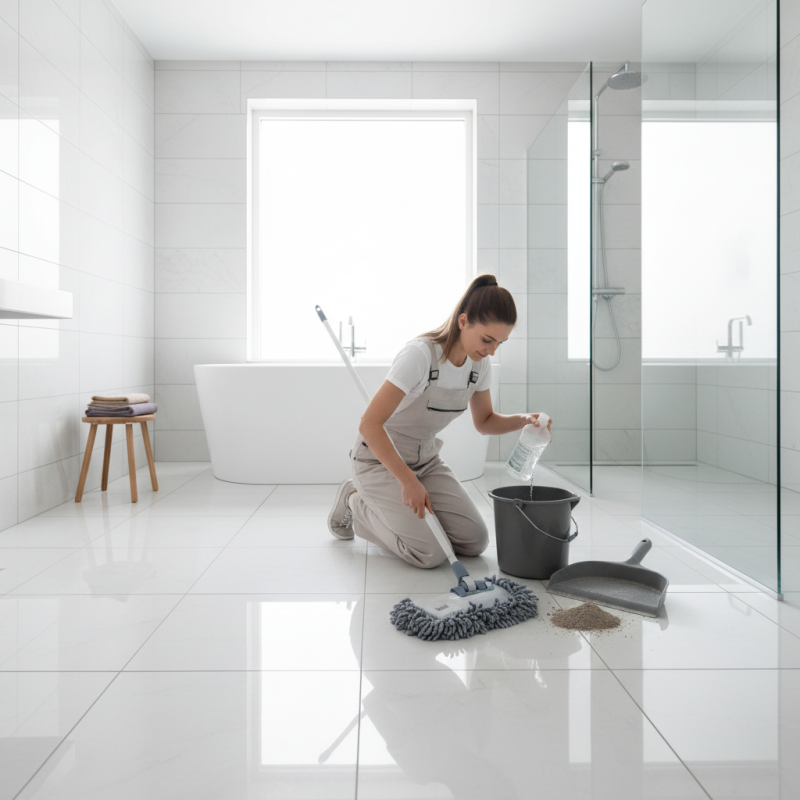
Porcelain tiles have gained popularity due to their durability and aesthetic appeal. According to the Tile Council of North America, porcelain is denser than ceramic, making it more resistant to moisture and stains. This quality is significant for areas such as kitchens and bathrooms, where spills are frequent. The American Society for Testing and Materials reports that porcelain tiles can absorb less than 0.5% of moisture. This low absorption rate reduces the risk of mold growth, which positively impacts indoor air quality.
In addition to their practical benefits, porcelain tiles offer a vast array of designs, colors, and finishes. Homeowners appreciate the look of natural stone or wood without the high maintenance requirements. However, not all tiles are created equal. A study by the National Tile Contractors Association highlighted that the quality of porcelain varies widely. Some tiles may chip or fade over time, impacting their lifespan. Regular maintenance is essential, but many homeowners do not commit to it. Neglecting proper care can lead to a noticeable decline in their appearance.
While porcelain tiles are durable, the installation process can be complex. A poorly executed installation may lead to uneven surfaces or cracked tiles. Investing in professional installation is advisable for long-term satisfaction. Understanding these aspects of porcelain tiles enhances their overall value in home design.
Choosing the right cleaning supplies for porcelain tiles is crucial. Start with a pH-balanced floor cleaner that won’t harm the surface. Avoid harsh chemicals that can dull the shine. When selecting tools, soft cloths and mops are ideal to prevent scratches.
Tips: Use a microfiber mop for effective cleaning without damaging tiles. Avoid using abrasive pads. Test any cleaner on a small, inconspicuous area first.
Consider incorporating natural options as well. Vinegar and water can work wonders for light stains. However, use it sparingly to avoid potential damage. Check for residue regularly; build-up can lead to dullness.
Tips: Always rinse with clean water after using cleaners. This prevents residue from settling.
Be mindful of your cleaning routine. Regular maintenance will keep your tiles looking new. Too infrequent cleaning may lead to tougher stains. Create a schedule that fits your lifestyle and stick to it.
This bar chart illustrates the effectiveness of various cleaning supplies when used for cleaning porcelain tiles. The data shows how different products rank in their ability to remove stains and maintain shine.
Cleaning porcelain tiles can seem daunting. However, with the right approach, it becomes a manageable task. Begin by gathering your supplies. You will need a broom, a vacuum, a mop, and a mild cleaning solution. Using the appropriate tools is essential for achieving a thorough clean without damaging the tiles.
Start by sweeping or vacuuming the tiles to remove dust and debris. Pay attention to corners and edges, as dirt tends to accumulate there. After this, dilute your cleaning solution in a bucket of warm water. Use a mop to apply the solution evenly across the tiles. Make sure to rinse the mop regularly to avoid spreading dirt. Though it may take extra time, rinsing helps prevent streaks.
Once cleaned, let the floor dry naturally. You may notice some stubborn stains remain. In such cases, consider a more focused approach with a soft scrub brush. Gently scrubbing can lift the stains without harming the surface. Remember, sometimes, less is more. Over-cleaning can dull the shine of your tiles. Adjust your cleaning routine based on how dirty the tiles get over time. Finding the right balance will lead to effective maintenance.
| Cleaning Method | Materials Needed | Steps | Frequency |
|---|---|---|---|
| Basic Cleaning | Broom, Mop, Warm Water | 1. Sweep the tiles to remove dirt. 2. Mop with warm water. |
Weekly |
| Stain Removal | Baking Soda, Vinegar, Sponge | 1. Sprinkle baking soda on the stain. 2. Spray vinegar and let it sit. 3. Scrub gently with a sponge. |
As needed |
| Deep Cleaning | pH-Neutral Cleaner, Mop, Bucket | 1. Dilute cleaner in a bucket. 2. Mop the floor evenly. 3. Rinse with clean water. |
Monthly |
| Grout Cleaning | Grout Brush, Oxygen Bleach | 1. Apply oxygen bleach to grout. 2. Scrub with a grout brush. 3. Rinse thoroughly. |
Every 6 months |
Maintaining the shine and longevity of porcelain tiles requires intentional care. A study by the Tile Council of North America shows properly maintained tiles can last over 50 years. Regular cleaning is essential. Use a soft broom or vacuum cleaner to remove dust and dirt weekly. Avoid harsh chemicals that can damage the finish.
For deeper cleaning, mix warm water with a few drops of mild dish soap. Use a damp mop to apply this solution. Make sure to dry the tiles with a clean microfiber cloth afterward. Water spots can be a real issue if you let moisture linger. Additionally, sealing your tiles every few years is crucial to prevent stains and moisture damage. Experts recommend applying a penetrating sealer to keep the tiles' surface protected.
Sometimes, even the best-maintained tiles will lose their shine. Reflecting on when this happens can guide your cleaning techniques. Consider factors like foot traffic and environmental conditions. Regular assessments can help you adapt your maintenance routine, ensuring your porcelain tiles remain aesthetically pleasing and durable over time.
When cleaning porcelain tiles, avoiding common mistakes can significantly improve your results. One frequent error is using harsh chemicals. Many believe they need strong solutions to tackle dirt. However, these can damage tile surfaces. Instead, opt for pH-balanced cleaners designed for porcelain. They effectively lift grime without causing harm.
Another mistake involves neglecting to dust and sweep regularly. Dirt and debris can scratch the tile when walked on. Failing to remove this buildup before mopping can lead to unsightly marks. It's essential to take a few minutes for routine upkeep. Use a soft-bristled broom or a microfiber cloth to keep your tiles in pristine condition.
People often overlook the importance of drying tiles after cleaning. Leaving moisture can lead to streaks and encourage mold growth in grout lines. Make it a habit to dry your tiles with a soft towel or allow them to air dry completely. A little extra effort can prevent long-term issues and keep your porcelain tiles looking their best.
: You will need a broom, a vacuum, a mop, and a mild cleaning solution.
Begin by sweeping or vacuuming the tiles to remove dust and debris.
Use a soft scrub brush to gently scrub stains without damaging the surface.
Rinsing the mop prevents dirt from spreading and helps avoid streaks.
Regular cleaning and using a soft broom or vacuum will help keep the shine.
Avoid harsh chemicals that can damage the finish of the tiles.
It’s recommended to seal your tiles every few years to prevent damage.
Water spots can occur if moisture is allowed to linger on the surface.
Regular assessments can help you adapt your cleaning and maintenance routine.
Over-cleaning can dull the shine of your tiles, so balance is key.
In the guide "How To Clean Porcelain Tiles Effectively and Easily," the article begins with an understanding of porcelain tiles, emphasizing their durability and aesthetic appeal. Following this, it details the essential cleaning supplies needed for effective maintenance. A step-by-step guide on how to clean porcelain tiles properly ensures that readers can follow along easily, highlighting techniques that avoid damage to the tile surface.
Additionally, the article offers valuable tips for maintaining the shine and longevity of porcelain tiles, along with common mistakes to avoid during the cleaning process. By adhering to these guidelines, one can ensure their porcelain tiles remain pristine and beautiful for years to come.

CKY Home