The construction industry is evolving towards sustainability. Eco Friendly Building Materials For Homes are crucial in this shift. According to a report by the World Green Building Council, buildings contribute 39% of global carbon emissions. This figure underlines the urgency for greener alternatives.
Utilizing eco-friendly materials not only reduces carbon footprints but also enhances indoor air quality. Research from the U.S. Green Building Council shows that sustainable building practices can improve energy efficiency by up to 30%. However, not all materials labeled “eco-friendly” meet rigorous sustainability criteria. Consumers must be discerning.
The challenge lies in balancing cost and sustainability. Many eco materials can be more expensive upfront, which raises questions about long-term value. While some options, like bamboo or recycled steel, offer exceptional benefits, others may not perform as expected. This discrepancy is vital to understand for responsible building practices.
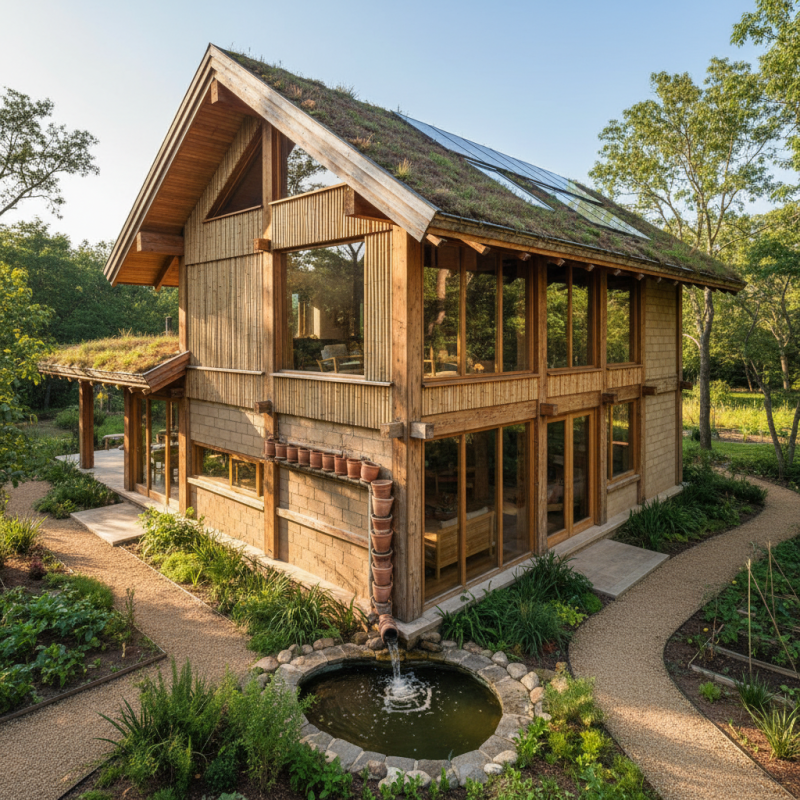
In recent years, the construction industry has seen a significant shift towards eco-friendly materials. Studies show that buildings contribute to approximately 39% of carbon emissions globally. This alarming statistic underscores the need for sustainable alternatives.
Natural materials such as bamboo and rammed earth are gaining traction. Bamboo, for instance, grows rapidly and captures carbon, making it a resilient choice.
Another promising material is reclaimed wood. This not only reduces waste but also adds character to homes. The use of recycled steel for structural support is equally impressive. It minimizes resource extraction and has a high strength-to-weight ratio. According to the World Green Building Council, 24% of global energy use is attributed to the building sector. Therefore, opting for thermal insulation and energy-efficient products becomes crucial in reducing overall energy consumption.
However, challenges remain. Not all eco-friendly materials offer the same durability as traditional options. Homeowners must weigh the longevity of materials against their environmental benefits. This reflection is important when choosing construction options. The eco-conscious path is not without its complexities. Still, the long-term benefits of sustainable choices can significantly impact our environment for years to come.
The use of sustainable materials in home construction brings numerous benefits. One significant advantage is the reduced environmental impact. Eco-friendly materials often consume less energy during production. This leads to lower carbon emissions, which is crucial for combating climate change. Moreover, many sustainable materials come from renewable sources. This ensures that resources are available for future generations.
Durability is another key benefit. Sustainable building materials, like bamboo or reclaimed wood, often outlast conventional options. They resist wear and tear better, reducing the need for frequent replacements. However, sourcing sustainable materials can pose challenges. Not all regions have equal access to these resources. Inconsistent availability may lead to higher costs or project delays.
Additionally, incorporating sustainable materials can enhance indoor air quality. Many eco-friendly options are free from harmful chemicals. This contributes to healthier living environments. However, it’s essential to research and verify the sourcing of these materials. Not all products marketed as eco-friendly meet the necessary standards. Thoughtful consideration is needed when selecting materials for construction.
| Material | Benefit | Sustainability Rating | Common Uses |
|---|---|---|---|
| Bamboo | Fast-growing, renewable resource | A+ | Flooring, furniture, scaffolding |
| Recycled Steel | Durable and strong | A | Framing, roofing |
| Rammed Earth | Natural insulation properties | A | Walls, foundations |
| Recycled Wood | Reduces waste, unique aesthetics | A- | Flooring, beams, furniture |
| Straw Bales | Excellent insulation | A+ | Walls, insulation |
| Cork | Sustainable harvesting process | A | Flooring, insulation, walls |
Sustainable homes are increasingly using eco-friendly materials. These materials reduce environmental impact significantly.
According to the World Green Building Council, buildings account for over 36% of global energy use. That's why
choosing the right materials is crucial.
Bamboo has gained popularity for its strength and rapid growth. It can be harvested in three to five years, unlike hardwoods that take decades.
Additionally, recycled metal is another excellent choice. It saves up to 74% energy compared to new metal production.
Reclaimed wood offers a beautiful aesthetic and helps reduce deforestation. However, sourcing can be challenging, and the quality may vary.
Consider natural insulation materials like sheep wool and hemp.
These options provide effective thermal resistance while being biodegradable. Research indicates that buildings with natural insulation can decrease energy costs by up to 30%.
However, assessing moisture levels is important. Some materials may not perform well without proper treatment or ventilation. Each eco-friendly option presents unique benefits and challenges,
highlighting the need for careful consideration.
The construction industry is rapidly evolving with the advent of innovative technologies. These advancements aim to reduce environmental impact. One noteworthy innovation is the use of recycled materials. Recycled plastic is becoming popular for creating durable building components. It reduces waste and minimizes the need for virgin resources.
Another exciting technology involves 3D printing. This method allows for rapid construction using eco-friendly materials. It reduces waste significantly compared to traditional methods. Moreover, it opens up new design possibilities. However, challenges remain, such as the varying quality of materials in 3D printing.
Smart building technologies also play a crucial role. Integrating IoT devices helps monitor energy consumption. Homes can become more energy-efficient through real-time adjustments. Yet, reliance on technology raises concerns about data privacy. Sustainable construction requires not only innovative materials but also thoughtful implementation of these technologies. Balancing efficiency and responsibility remains a crucial challenge.
When choosing eco-friendly building materials, it's crucial to evaluate their sustainability. Reports show that buildings account for nearly 40% of global carbon emissions. Opting for green materials can dramatically reduce this impact.
Consider renewable materials like bamboo or reclaimed wood. These options typically have a lower carbon footprint. Also, look into insulation made from recycled materials. Insulation can save energy costs and provide comfort.
Tips for selecting the right materials include checking for certifications from reputable organizations. Certifications ensure the product meets sustainability standards. It's also beneficial to prioritize local materials. This reduces transportation emissions. Explore life cycle analysis data for materials to understand their environmental impact fully.
Lastly, reflect on the balance between cost and sustainability. Cheaper options may not always align with your green goals. Plan carefully to find materials that offer both quality and eco-friendliness.
: Sustainable materials reduce environmental impact and lower carbon emissions. They often come from renewable sources.
Many sustainable materials, like bamboo, outlast conventional options and resist wear and tear. This reduces replacements.
Eco-friendly materials often lack harmful chemicals, promoting healthier indoor environments. Verification of sourcing is crucial.
Availability can vary by region, leading to higher costs or project delays. Access is not equal everywhere.
Materials like sheep wool and hemp offer effective thermal resistance. They can lower energy costs significantly.
Recycled plastic creates durable building components, reducing waste and the need for virgin resources.
3D printing allows rapid construction with eco-friendly materials, reducing waste but can have quality variations.
IoT devices help monitor energy consumption, making homes more energy-efficient. There are concerns about data privacy.
Each material presents benefits and challenges, such as quality variance and the need for proper treatment.
Balancing innovative materials with technology is essential. Efficiency and responsibility must coexist for success.
The article "Top Eco Friendly Building Materials For Sustainable Homes" delves into the importance of integrating eco-friendly building materials for homes in the pursuit of sustainable living. It begins with an overview of various eco-friendly materials that not only reduce environmental impact but also enhance energy efficiency. The benefits of using sustainable materials in home construction are highlighted, including improved health for occupants and long-term cost savings.
Additionally, the article explores popular eco-friendly materials such as bamboo, recycled steel, and straw bales, while also discussing the role of innovative technologies that facilitate sustainable building practices. Finally, readers are provided with practical tips for choosing the right green building materials, ensuring that they make informed decisions in their quest for sustainable home construction. The focus on eco-friendly building materials for homes emphasizes the growing necessity for environmentally responsible choices in the construction industry.

CKY Home