When it comes to professional tile installation, avoiding common mistakes is crucial. Many homeowners and contractors overlook essential details, which can lead to costly repairs. Professional tile installation common mistakes often stem from rushed work or inadequate preparation. These errors can affect the tile's longevity and aesthetic appeal.
Each step of the installation process demands attention. From measuring and cutting to setting and grouting, every detail matters. For instance, improper subfloor preparation can result in cracked tiles. Additionally, neglecting to use the right adhesive can lead to poor adhesion and rapid deterioration.
It's essential to recognize these pitfalls and learn from them. Sharing experiences with other professionals can provide valuable insights. Reflecting on past mistakes can improve future installations, ensuring a high standard of work and greater customer satisfaction. Taking the time to understand these common errors is a key step toward achieving excellence in tile installation.
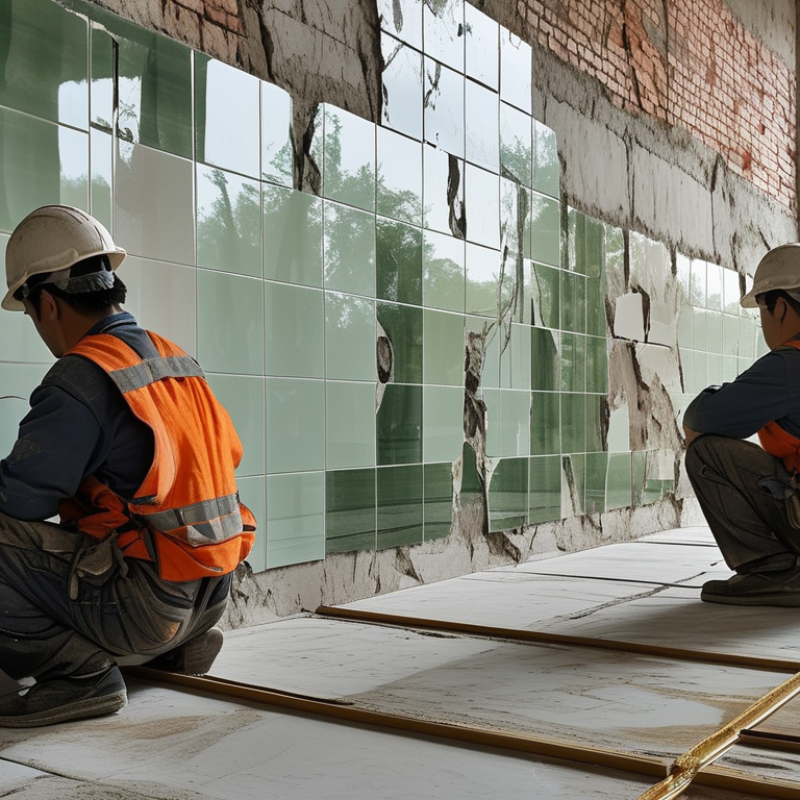
Tile installation can be tricky. Common mistakes often arise from lack of experience or misjudgment. One key issue is improper surface preparation. An uneven or dirty surface can lead to cracking or poor adhesion. Always check the floor or wall for levelness before starting.
Timing is important, too. Many installers rush the curing process, thinking it saves time. However, this can cause loose tiles later. Allow adhesives adequate time to set and cure. This ensures a sturdy finish that lasts.
Tips: Measure carefully. Tile installations require precision. Even a small miscalculation can lead to wasted materials and time.
Another common pitfall is neglecting grout application. Grout should be applied correctly to prevent moisture and dirt buildup. However, many overlook the need for sealing grout lines. This simple step can extend the lifespan of your tile project significantly.
Surface preparation is crucial for a successful tile installation. Neglecting this step can lead to uneven tiles and adhesive failures. Professionals must take time to assess the substrate. Whether it’s concrete, wood, or cement board, each surface type requires unique attention. Cracks or moisture issues should be fixed before laying tiles.
Proper cleaning is also essential. Dust and debris can prevent tiles from adhering correctly. A clean surface improves bond strength. For larger areas, a level should be used to check for imperfections. Small dips or rises can cause serious problems later. Addressing these issues takes time but is worth the effort.
Mistakes in surface preparation happen often. Even experienced installers can overlook simple details. Rushing through this step may save time initially, but it leads to costly repairs later. It’s vital to remember that a well-prepared surface is the foundation for a stunning tile job. Take the time to do it right. The long-term benefits will be significant.
Inadequate adhesive application can be a significant pitfall in professional tile installation. Proper bonding is crucial. Without the right adhesive, tiles can shift, crack, or even detach over time. Many installers underestimate the amount needed. A thin layer might seem sufficient, but it often leads to failure.
Applying too little adhesive may save time, but the long-term effects can be costly. Tiles may not adhere well to surfaces, causing gaps and unevenness. A common mistake is not using the right trowel size. This can result in inadequate coverage, which diminishes bond strength. Ensuring complete coverage with the appropriate trowel is essential.
It's important to consider the setting conditions. Extreme temperatures can affect adhesive performance. Working in a humid environment may also alter curing times. Many installers overlook this aspect. Reflecting on your technique can lead to improvements. Ensuring proper application of adhesive is fundamental for a successful, long-lasting tile installation.
When it comes to professional tile installation, accurate measurements and layouts are crucial. A report by the National Tile Contractors Association highlights that improper measurements contribute to over 30% of installation failures. This statistic emphasizes the importance of starting with precise dimensions. Even slight inaccuracies can lead to significant issues down the line, such as uneven surfaces and poor aesthetics.
To ensure accuracy, use reliable measuring tools. Laser levels or digital measuring devices can enhance precision. Marking guidelines on the substrate helps visualize layouts before laying tiles. It is vital to check the layout multiple times. A quick glance may miss misalignments. Professionals often stress the need for a second pair of eyes on the layout. This can uncover errors that may not be apparent at first.
Many installers overlook the importance of taking room irregularities into account. Walls and floors may not be perfectly straight. Failing to consider these factors can result in poor alignment. Adjusting measurements based on these irregularities aids in achieving a seamless look. Embracing these strategies will minimize mistakes and enhance the final outcome of tile installations.
When it comes to tile installation, grout selection is often overlooked. Many professionals neglect to consider how grout types affect both durability and aesthetics. A poor grout choice can lead to cracking and discoloration over time. This not only affects the appearance but can also compromise the structure.
Choosing the right grout isn't just about color. Different materials have different properties. For example, epoxy grout is more resistant to stains and moisture. On the other hand, traditional cement-based grout may be more affordable but can require sealing. Think about the area of installation before making a decision.
Tips for Grout Selection: Always test grout samples in the actual installation environment. Lighting and surroundings can change its look dramatically. Also, pay attention to the grout's application method. A consistent application will enhance the overall finish. Misaligned grout lines can ruin even the best tile design. Remember, taking the time to choose and apply the right grout can significantly impact the project's success.
| Mistake Category | Description | Impact on Durability | Impact on Aesthetics | Recommended Action |
|---|---|---|---|---|
| Ignoring Grout Type | Choosing the wrong grout type for the specific tile and environment. | Can lead to cracking and reduced lifespan of the tile installation. | Poor color match can detract from the overall look of the installation. | Select appropriate grout based on tile material and location (e.g., wet vs. dry). |
| Insufficient Grout Thickness | Not applying grout at the recommended thickness for the tile size. | May compromise structural stability of the installation. | Can create uneven lines which affect visual appeal. | Follow manufacturer guidelines for grout width and application. |
| Neglecting Sealing | Failing to seal grout properly after installation. | Can lead to moisture infiltration and mold growth. | Dirt and stains can easily penetrate, altering appearance. | Use a high-quality sealer recommended for the specific grout type. |
| Ignoring Environmental Conditions | Not considering temperature and humidity prior to installation. | Can cause grout to dry improperly, leading to cracks. | May affect the overall finish and evenness of the grout joints. | Check weather conditions and ensure proper curing environment. |
| Using Incompatible Materials | Mixing different types of grout or tile materials without compatibility. | Can result in adhesive failure and eventual tile detachment. | May create inconsistent colors and textures in the finished surface. | Ensure all materials are compatible; consult product specifications before use. |
Tile installation is an intricate process that demands attention to detail. One common oversight is the failure to accommodate expansion and contraction. This oversight can lead to unsightly cracks and severe damage over time. According to industry studies, nearly 80% of tile failures stem from improper installation techniques, including neglecting expansion joints.
Materials expand and contract with temperature fluctuations and humidity changes. A survey by the Tile Council of North America highlights that inadequate allowance for movement causes tiles to crack. Professionals recommend leaving 1/8 inch gaps around walls and other immovable objects to handle this movement. Implementing this simple step can save both time and costly repairs.
Ignoring this principle can lead to disastrous outcomes. Even high-quality tiles, if improperly installed, will face issues. In fact, 60% of contractors report dealing with cracked tiles in projects where expansion joints were insufficient. Addressing expansion during installation is a crucial practice that cannot be overlooked. This consideration can enhance the durability of the tiled surface significantly.
: Surface preparation ensures tiles adhere properly. An uneven or dirty surface can cause tiles to crack or fail.
Rushing the curing process is a frequent mistake. This can lead to loose tiles in the future.
Allow adhesives to set and cure adequately. This ensures a sturdy finish that lasts longer.
Neglecting grout application can lead to moisture issues. Proper sealing extends the lifespan of tiles.
Always check for levelness on the floor or wall. Small imperfections can cause significant problems later.
A clean surface improves bond strength. Dust and debris can prevent tiles from adhering correctly.
Concrete, wood, and cement board each require specific evaluation and preparation before tiling.
Yes, even experienced installers can overlook details. Rushing can lead to costly repairs down the line.
Measure carefully before starting. Even small miscalculations can waste materials and time.
Addressing small dips or rises is crucial. Ignoring them can create serious issues after installation.
In the realm of professional tile installation, avoiding common mistakes is crucial for achieving a lasting and aesthetically pleasing finish. Key issues often arise due to neglecting surface preparation, which serves as the foundation for successful tile laying. Additionally, improper adhesive application can diminish the bond and longevity of the tiles, while incorrect measurement and layout can lead to misaligned patterns.
Moreover, ignoring grout selection and application may compromise both durability and visual appeal. It's also essential to account for expansion and contraction during installation to prevent future cracks. By being aware of these professional tile installation common mistakes, installers can enhance their craftsmanship and ensure a high-quality outcome for their projects.

CKY Home