How To Choose Water Saving Sanitary Ware for 2026 Top Trends?

Time:2026-04-29 Author:Aria
0%

In an era where sustainability is critical, understanding "How To Choose Water Saving Sanitary Ware" has never been more important. Experts in the field emphasize the role of water-efficient products in reducing household water usage. According to Dr. Emily Carter, a leading expert in eco-friendly plumbing solutions, “Selecting the right sanitary ware is essential for sustainable living.”

When considering water-saving options, it's crucial to evaluate materials and technologies. Features like dual-flush systems and low-flow faucets can drastically cut water consumption. Choosing high-quality products not only benefits the environment but also enhances home value. However, many consumers overlook functionality for style.

While aesthetics play a significant role, practical decisions might be flawed. It's easy to fall for trendy designs that don't prioritize efficiency. Buyers should reflect on their choices, understanding that looks without performance don't contribute to sustainability. As we move toward 2026, the choices we make today carry significant consequences for our future. Looking deeper into water-saving sanitary ware can guide us toward a better tomorrow.
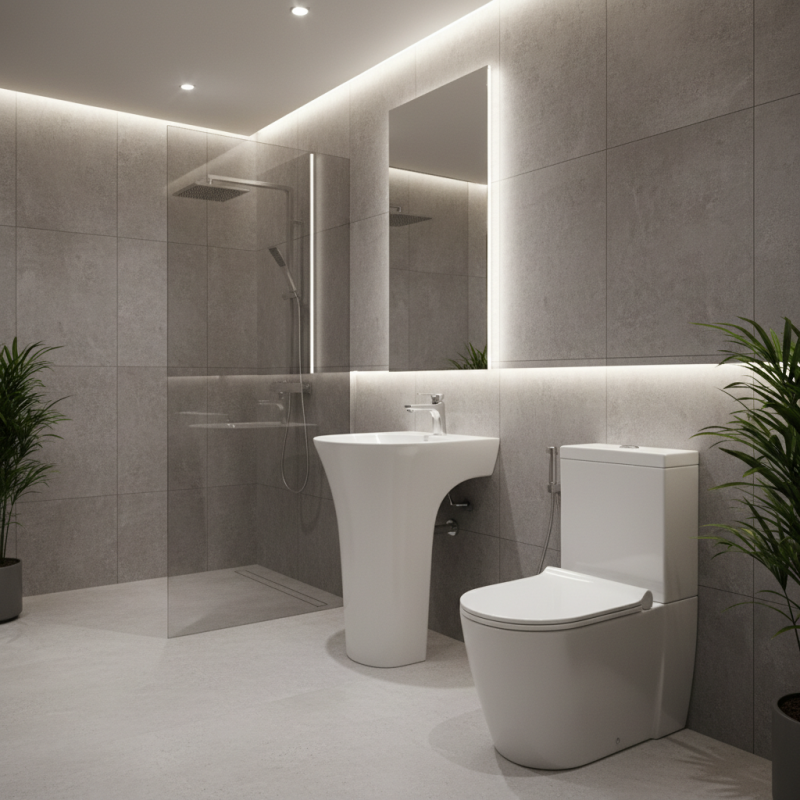
How To Choose Water Saving Sanitary Ware for 2026 Top Trends?

Understanding Water Saving Sanitary Ware and Its Importance

Water-saving sanitary ware is becoming increasingly essential as environmental concerns rise. According to the Water Research Foundation, toilets alone account for nearly 30% of residential water use. Smart consumers recognize the necessity of sustainable fixtures that not only conserve water but also save money over time. Choosing high-efficiency toilets and faucets can significantly reduce water consumption.

Tips: Look for fixtures with the WaterSense label. These products are certified to use at least 20% less water than standard models. Consider dual-flush toilets, which offer different flush options. They allow users to choose a low-flow option for liquid waste, conserving even more water.

Moreover, the importance of water-saving sanitary ware extends beyond individual households. The U.S. Environmental Protection Agency reports that a single high-efficiency toilet can save up to 13,000 gallons of water annually. As water scarcity becomes an increasing concern globally, adopting water-saving solutions becomes crucial. However, not all models perform equally. Some may require more repairs or prove less efficient than advertised, emphasizing the need for thorough research.

Tips: Always check user reviews before purchasing. Consider long-term savings when evaluating initial costs. Not every “eco-friendly” label guarantees quality. Awareness and careful selection can lead to both environmental benefits and better home sustainability.

Key Features to Consider When Selecting Water Efficient Products

When selecting water-efficient sanitary ware, it's crucial to understand key features. Look for products labeled with water efficiency certifications. These labels signal that the fixtures meet strict environmental standards. Low-flow toilets and faucets can significantly reduce water usage. Their designs often maintain performance while saving water.

Pay attention to the flow rate. For faucets, a rate below 1.5 gallons per minute is ideal. Toilets should ideally use no more than 1.28 gallons per flush. Consider dual-flush systems as an alternative. These can offer both low and high water usage options.

Installation and maintenance should not be overlooked. Ensure that maintenance is straightforward and doesn't require frequent parts replacement. Regular care extends the lifespan of your fixtures. While high-quality products may cost more initially, their long-term water savings could outweigh the expense. Reflecting on these features can result in wiser choices for sustainable living.

Top Trends in Water Saving Technologies for 2026

As environmental awareness grows, water-saving technologies in sanitary ware are becoming essential. The trends for 2026 highlight innovative approaches to conserve water without sacrificing comfort or style. Dual-flush toilets are gaining popularity. These systems offer two flushing options, allowing users to choose the amount of water needed for each use. This not only reduces waste but also promotes mindful usage habits.

Another notable trend is the development of smart faucets. These devices can adjust water flow based on needs. Features like touchless activation enhance hygiene while minimizing waste. People often overlook the importance of their choices. Investing in smart technology could lead to significant water savings over time.

Showerheads with adjustable flow rates are also on the rise. Many models are designed to deliver enjoyable experiences while conserving water. They challenge the notion that eco-friendly options are less luxurious. However, frequent adjustments may daunt less tech-savvy users, highlighting a learning curve. Overall, considering these trends promotes a blend of sustainability and modern convenience in our daily lives, encouraging users to rethink their habits.

Comparing Water Usage: Traditional vs. Water Saving Sanitary Ware

When evaluating water usage, traditional sanitary ware often falls short. Standard toilets consume around 3.5 to 7 gallons per flush. Over time, this can lead to significant water waste. In contrast, water-saving sanitary ware minimizes this consumption. Many eco-friendly toilets use just 1.28 gallons per flush. This is a notable reduction and can significantly impact your water bill.

Another comparison involves faucets and showerheads. Traditional models can flow at an average rate of 2.5 gallons per minute. High-efficiency fixtures, however, can cut this down to 1.5 gallons. This change is essential for both conservation and cost savings. Yet, not all water-saving designs deliver the same experience. For some, the reduced flow rate may affect comfort.

There are other factors to consider. Not all buildings have plumbing that supports low-flow products. Homeowners may need adjustments to ensure effectiveness. It's vital to test different options and consider real-life performance. Sometimes, lower water usage can lead to higher costs during installation. Balancing water conservation with efficiency is challenging but necessary.

How to Maintain and Maximize the Efficiency of Your Sanitary Ware

Maintaining sanitary ware is essential for maximizing water efficiency and ensuring long-term functionality. Regular cleaning helps prevent build-up, which can disrupt water flow. According to the latest industry report, up to 30% of household water usage comes from toilets and faucets. Hence, maintaining these fixtures becomes crucial. Use mild detergents for routine cleaning. Harsh chemicals can damage surfaces and reduce lifespan.

Inspecting fixtures for leaks is another vital step. Even a small drip can waste over 10,000 gallons a year. This wasted water contributes to higher bills and environmental stress. Installing water-efficient products also helps. Many models today are designed to use less water without compromising performance. In fact, low-flow toilets can save 1.6 gallons per flush compared to older models.

Lastly, consider the impact of user habits. Shorter showers and mindful toilet usage play significant roles in water conservation. Engaging family members in discussions about water-saving practices fosters a collective effort. While improvements can be made, personal commitment is key. Reflecting on daily habits can reveal areas for change, leading to both savings and sustainability.

How To Choose Water Saving Sanitary Ware for 2026 Top Trends? - How to Maintain and Maximize the Efficiency of Your Sanitary Ware

Feature Description Water Saving (%) Maintenance Tips Expected Lifespan (Years)
Dual Flush Toilets Toilets with two flushing options for liquid and solid waste. 20-50% Regular cleaning and adjustment of flush settings. 10-15
Low Flow Faucets Faucets designed to use less water without sacrificing pressure. 30-60% Check aerators for blockages and clean as needed. 7-10
Low Volume Showerheads Showerheads that limit water flow while providing a satisfying spray. 20-40% Clean showerheads regularly to maintain flow rate. 10-15
Smart Toilets Toilets equipped with technology for efficient water usage and user convenience. 15-50% Use manufacturer-recommended supplies for cleaning. 10-20

FAQS

: What is water-saving sanitary ware?

: Water-saving sanitary ware includes fixtures that conserve water, like efficient toilets and faucets. They help both the environment and your wallet.

Why is water-saving sanitary ware important?

These fixtures can reduce residential water use significantly. They contribute to long-term savings and address water scarcity issues.

How much water can a high-efficiency toilet save?

A high-efficiency toilet can save up to 13,000 gallons of water annually. This is a significant reduction for households.

What should I look for when buying water-saving fixtures?

Look for fixtures with the WaterSense label for guaranteed efficiency. Consider dual-flush toilets for extra savings.

Are all water-saving products effective?

Not all models perform equally. Some may require repairs or not save as much water as advertised. Research is essential.

What are some trends in water-saving technologies for 2026?

Popular trends include dual-flush toilets and smart faucets that adjust flow. These enhance convenience while promoting conservation.

How does traditional sanitary ware compare to water-saving options?

Traditional toilets use 3.5 to 7 gallons per flush, while efficient ones use only 1.28 gallons. That's a major difference in water use.

Can performance be affected by low-flow fixtures?

Yes, some users may find reduced flow rates uncomfortable. Personal preferences vary widely, which is something to consider.

Do all buildings support low-flow sanitary ware?

Some buildings may require plumbing adjustments for low-flow products. Testing options is crucial to ensure effectiveness.

What is a challenge when switching to water-saving fixtures?

Lower initial usage may lead to higher installation costs. Balancing conservation and efficiency can be complex.

Conclusion

In the pursuit of sustainable living, understanding how to choose water-saving sanitary ware is crucial. This article outlines the significance of water-efficient products and highlights essential features to consider during selection, such as flow rate, design, and compliance with environmental standards. The exploration of top trends in water-saving technologies for 2026 reveals innovative solutions that enhance both functionality and sustainability, while a comparative analysis between traditional and water-saving sanitary ware underscores the benefits of making the switch for reduced water usage.

To ensure optimal performance, maintaining and maximizing the efficiency of your sanitary ware is as important as the initial choice. Regular checks, appropriate cleaning methods, and timely repairs can significantly extend the lifespan and efficiency of water-saving fixtures. By being informed about these aspects, consumers can make educated decisions that contribute to both resource conservation and enhanced household efficiency.

Aria

Aria

Aria is a dedicated marketing professional with a deep passion for innovative strategies and a keen understanding of our company's product offerings. With a wealth of experience in the industry, Aria excels at crafting engaging content that highlights the unique features and benefits of our......