When it comes to the debate of Marble vs Quartz for kitchen surfaces, experienced designer Jane Thompson has valuable insights. She states, “Choosing the right material can define your kitchen’s character.” Marble offers timeless elegance, with its unique veining and luxurious feel. However, it can also be porous and prone to staining, which raises concerns for many homeowners.
On the other hand, quartz provides durability and a wide array of colors. It is engineered to resist scratches and stains, making it a practical choice for busy kitchens. Despite its advantages, some users feel quartz may lack the natural charm that marble embodies.
As you navigate this decision, consider both aesthetics and maintenance. The balance between beauty and practicality is essential. Reflecting on what suits your lifestyle can lead to a more satisfying choice in the long run. In this ever-evolving conversation of Marble vs Quartz for kitchen surfaces, the right decision hinges on your personal preferences and needs.
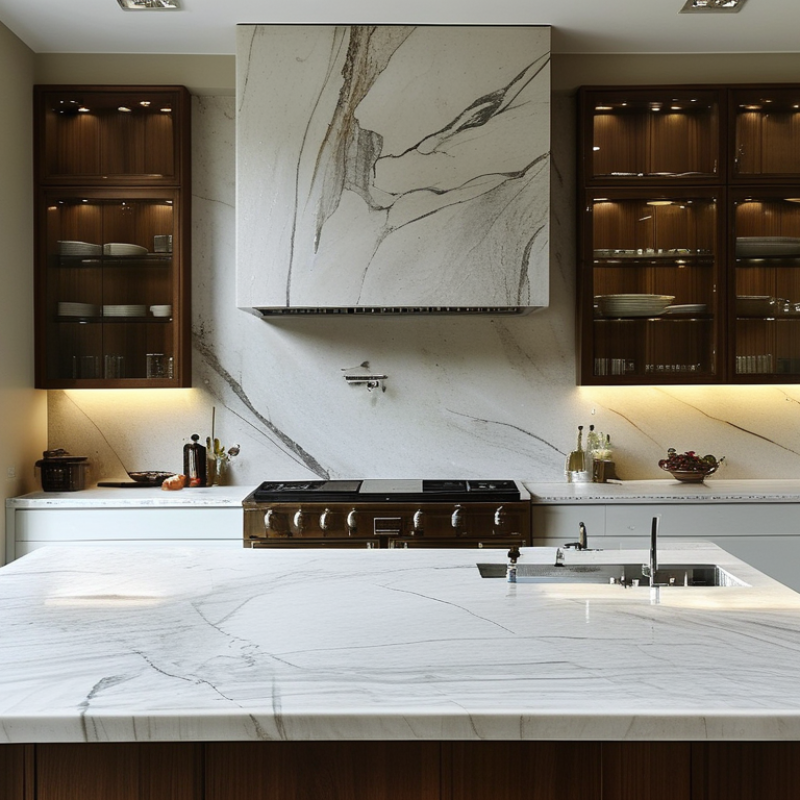
Comparison of Durability: Marble vs. Quartz in Kitchen Environments
When selecting kitchen surfaces, the choice between marble and quartz often hinges on durability. Marble, though aesthetically elegant, can be susceptible to scratches and stains. In a kitchen where spills are common, this can be a significant concern. According to the National Association of Home Builders, marble ranks a 3 out of 10 for hardness, making it less resilient in busy cooking environments.
In contrast, quartz surfaces boast a strength rating of around 7 to 8. This non-porous material resists staining and is less prone to scratching. Its composite structure combines natural minerals and resins, providing enhanced durability. Chef and designer testimonials frequently highlight quartz as a more practical choice for high-traffic kitchens.
To maintain the integrity of any surface, regular cleaning is crucial. Avoid the use of acidic cleaners on marble, as they can etch the stone. Instead, opt for a mild soap solution. For quartz, a simple wipe with warm, soapy water can suffice. Consider placing mats or cutting boards on the countertop to limit wear and tear. A thoughtful approach can ensure your kitchen surfaces remain beautiful and functional for years.
Durability Comparison: Marble vs. Quartz in Kitchen Environments
Maintenance Requirements: Long-Term Care for Marble and Quartz Surfaces
When considering kitchen surfaces, maintenance requirements play a crucial role in decision-making. Marble surfaces, while elegant, require regular care. Sealant must be reapplied every six months to a year. This protects against stains and etching. In a study by the National Kitchen and Bath Association, 70% of homeowners noted difficulties in maintaining marble. Their experiences reveal that spills, especially from acidic substances, can lead to irreversible damage.
On the other hand, quartz surfaces offer a more user-friendly alternative. They are engineered to resist stains and scratching. According to the Marble Institute of America, quartz has a lower porosity, making it less prone to absorbing liquids. This can significantly reduce the effort needed for upkeep. However, not all quartz surfaces are created equal; some may still require occasional resealing.
It's essential to weigh these factors based on lifestyle. For those who cook frequently, the durability of quartz may outweigh the aesthetic appeal of marble. Yet, marble's classic beauty may appeal to others despite its upkeep needs. Balancing aesthetics and maintenance can lead to regrets down the road. Choosing a surface involves assessing not just aesthetics, but also the time and effort you can commit to maintenance.
Aesthetic Appeal: Visual Characteristics of Marble and Quartz Options
When choosing between marble and quartz for kitchen surfaces, aesthetic appeal plays a crucial role. Marble offers timeless elegance with its unique veining and rich color variations. No two slabs are alike, adding a distinctive touch. According to the National Kitchen and Bath Association, 50% of homeowners prioritize aesthetics over functionality in their kitchen surface choices. In contrast, quartz delivers a more uniform appearance, available in a vast array of colors and patterns. Its engineered nature allows for consistent design, which some homeowners may prefer for a modern look.
Tips for selecting the right surface include considering the overall kitchen design. If the space leans towards classic styles, marble might enhance that aesthetic. For contemporary themes, quartz could be a better fit. Remember, the choice should resonate with your personal style while fitting the functional needs of your kitchen.
Another consideration is maintenance. Marble requires regular sealing and care to prevent stains, reflecting its natural origin. In contrast, quartz is non-porous and more resistant to staining, often requiring less upkeep. Balancing aesthetics with practicality can influence your decision significantly. Consider how much time you're willing to invest in maintenance versus the beauty each option can bring to your kitchen space.
How to Choose Between Marble and Quartz for Kitchen Surfaces? - Aesthetic Appeal: Visual Characteristics of Marble and Quartz Options
| Feature |
Marble |
Quartz |
| Natural Beauty |
Unique veining and patterns, no two slabs are the same. |
Uniform appearance, available in a wide range of colors and patterns. |
| Finish Options |
Available in polished, honed, and tumbled finishes. |
Can be engineered with a variety of finishes, including glossy and matte. |
| Color Range |
Natural colors typically in white, gray, green, and beige. |
Vast color and design options, including vibrant hues and elaborate patterns. |
| Maintenance |
Requires sealing, prone to staining, etching, and scratching. |
Low maintenance, non-porous, and resistant to stains and scratches. |
| Long-term Value |
Can increase home value due to its luxurious appearance. |
Durability and variety can appeal to a broader range of buyers. |
Cost Analysis: Price Trends for Marble and Quartz Kitchen Surfaces
When choosing between marble and quartz for kitchen surfaces, cost becomes a crucial factor.
On average, marble prices range from $40 to $100 per square foot. Quartz, however, is typically priced
between $50 to $120 per square foot. The initial cost can be a deciding factor for many homeowners.
Marble can be less costly than quartz in some regions, but the price may vary based on the quality and source.
A 2020 report by the National Kitchen and Bath Association showed a steady increase in the use of quartz.
About 52% of homeowners preferred quartz over marble due to its durability and low maintenance.
However, marble remains a favorite for its timeless beauty. According to industry experts,
this disparity in preferences often comes down to personal taste and budget constraints.
Maintenance costs also differ. Marble, while elegant, may incur higher upkeep fees over time due
to its porous nature. It requires regular sealing to prevent stains. Quartz is non-porous, reducing
cleaning costs but sometimes leading to higher upfront expenses. Understanding these financial
implications is vital for making an informed decision. Many buyers reflect on these factors
before committing to one surface over another.
Environmental Impact: Sustainability of Marble and Quartz Materials in Design
When considering the environmental impact of kitchen surfaces, both marble and quartz present distinct challenges. Marble, a natural stone, is quarried from the earth. This process can result in significant ecological disruption. According to the National Stone, Sand & Gravel Association, stone extraction often leads to habitat loss and increased carbon emissions. A report from the Global Footprint Network indicates that marble has a higher carbon footprint than synthetic materials.
On the other hand, quartz is engineered from natural quartz crystals and resins. While it is more resource-efficient in production, the environmental impact of resins can be concerning. A study by the Green Building Council reveals that the recycling capabilities of quartz are limited compared to natural stone. Quartz surfaces contribute to long-lasting durability, which may reduce waste over time. However, this durability often depends on the production methods, which may not always prioritize sustainability.
Sustainability is not merely a buzzword; it requires thoughtful consideration of resource use. Choosing between marble and quartz involves weighing not only aesthetic appeal but also the broader implications of environmental stewardship. Both materials bring unique qualities to kitchen surfaces, yet their sustainability profiles tell complex stories that warrant attention.
FAQS
: Marble ranks a 3 out of 10 for hardness.
Marble can scratch easily and absorb stains.
Quartz has a strength rating of 7 to 8.
Quartz is non-porous, making it more stain-resistant.
Use a mild soap solution to avoid etching.
A simple wipe with warm, soapy water suffices.
Yes, marble extraction can lead to habitat loss and emissions.
Quartz recycling capabilities are limited compared to natural stone.
Yes, but quartz may have an edge in busy kitchens.
Aesthetic appeal and environmental implications both matter.
Conclusion
When choosing between Marble vs Quartz for Kitchen Surfaces, several key factors must be considered. Durability is crucial, with quartz typically outperforming marble in resistance to scratches and staining, making it a practical choice for high-traffic kitchen environments. Maintenance requirements also differ significantly; while quartz is generally low-maintenance, marble demands more careful upkeep to preserve its beauty over time.
Aesthetic appeal is another important aspect, as marble offers a classic, luxurious look with unique veining, whereas quartz provides a more uniform appearance with a wide variety of colors and patterns. Cost analysis reveals that marble can be more expensive, but prices fluctuate based on quality and design. Lastly, examining the environmental impact shows that both materials have their sustainability considerations, with the sourcing and production processes playing a significant role in their ecological footprints. Ultimately, the decision between Marble vs Quartz for Kitchen Surfaces hinges on personal preferences, lifestyle, and budget.
 CKY Home
