How to Choose the Best Non Slip Bathroom Floor Tiles?

Time:2026-05-13 Author:Amelia
0%

Choosing the right flooring for your bathroom is crucial. The bathroom can often become a slippery area. This increases the risk of falls and injuries. Hence, selecting non slip bathroom floor tiles is essential for safety.

When you start your search, consider the material. Different materials offer varying levels of slip resistance. Ceramic tiles, for instance, can be a good choice. Their textured surfaces provide better grip. However, not all ceramic tiles are created equal. Some can be slick when wet, so testing is necessary.

You should also think about aesthetics. A bathroom should be beautiful while being functional. Finding the right balance can be challenging. Consider colors and designs that complement your space. Reflect on your needs and budget too. Make sure the tiles you choose not only look great but also meet safety standards.
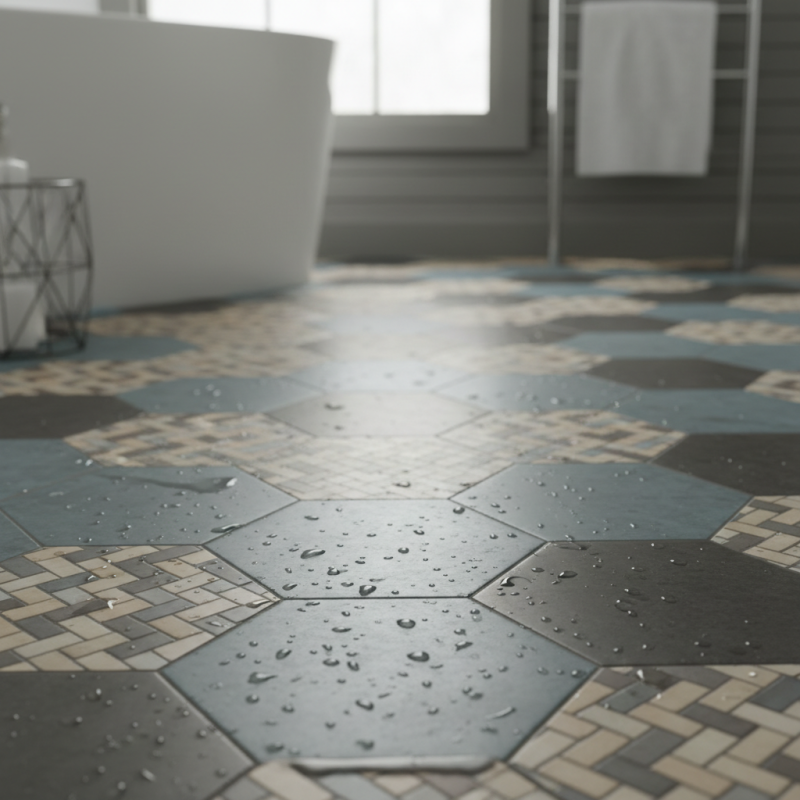
How to Choose the Best Non Slip Bathroom Floor Tiles?

Understanding the Importance of Non-Slip Bathroom Floor Tiles

When selecting bathroom floor tiles, the significance of choosing non-slip options cannot be overstated. Bathrooms are high-risk areas for slips and falls. Moisture accumulation on the floor increases this risk. Non-slip tiles provide traction, reducing the chances of accidents. This is crucial for families with children or elderly members. A fall can lead to serious injuries, emphasizing the need for careful tile selection.

Understanding the various types of non-slip tiles is also vital. Many tiles come with a PEI rating, indicating their slip resistance. Textured tiles often offer better grip than smooth finishes. Many homeowners might overlook this, focusing primarily on aesthetics. While appearance is important, safety should be a priority. Some tiles designed for slip resistance may also present a cleaning challenge. Their texture can trap dirt and grime, which requires extra effort to maintain. This means a balance must be struck between safety and practicality.

Researching materials is essential too. Some options are more durable than others, affecting their long-term performance. Non-slip tiles can vary in price, color, and style. Finding the right combination for your needs may take time. It can be tempting to choose based solely on appearance. However, it is wise to consider how the tiles will perform in a wet environment over time.

How to Choose the Best Non Slip Bathroom Floor Tiles?

Tile Material Slip Resistance Rating Durability Ease of Maintenance Cost Range
Ceramic 0.60 Moderate Easy $1 - $15 per sq ft
Porcelain 0.70 High Easy $3 - $20 per sq ft
Vinyl 0.50 Moderate Very Easy $0.50 - $5 per sq ft
Natural Stone 0.60 Very High Moderate $5 - $30 per sq ft

Types of Non-Slip Tile Materials to Consider for Your Bathroom

When selecting non-slip bathroom floor tiles, it's essential to know the various materials available. Porcelain tiles are a popular choice for their durability and water resistance. They come in various textures and designs, making it easy to find the perfect match for your bathroom's aesthetic. However, ensure the coefficient of friction is suitable for wet surfaces. Not all porcelain tiles are created equal.

Natural stone tiles, including slate and granite, present another option. They offer a unique and organic look. The surface can be naturally textured, providing excellent grip. Yet, it’s crucial to seal these tiles regularly to maintain their non-slip properties. They may require more upkeep than ceramic or porcelain.

Vinyl tiles are a cost-effective solution with a comfortable feel underfoot. They provide a range of designs, mimicking natural materials. While modern vinyl options often include anti-slip features, ensure you choose high-quality products to avoid issues. However, there is a risk of wear over time, which may reduce their effectiveness. Always weigh these factors carefully before making a selection.

Evaluating the Slip Resistance Rating of Bathroom Floor Tiles

When selecting non-slip bathroom floor tiles, understanding the slip resistance rating is crucial. This rating, often measured using the coefficient of friction (CoF), indicates how likely a surface is to cause slips. A higher CoF suggests better slip resistance. Tiles with a CoF of 0.6 or higher are generally considered safe for wet areas. According to the American National Standards Institute (ANSI), tiles meeting this standard are ideal for residential bathrooms.


Examining material is vital. Porcelain and ceramic tiles often provide good slip resistance due to their texture. Textured surfaces can prevent slipping, especially when wet. Smooth surfaces, while easier to clean, may not perform well in bathrooms. Some studies indicate that matte finishes outperform glossy ones in slip resistance.


Tips: Always test tiles in a wet condition before finalizing your choice. If possible, visit a showroom to experience the surface firsthand. Don't overlook the importance of grout lines. Smaller grout lines can enhance slip resistance by creating texture. Be mindful that heavy-duty tiles may offer durability but might not be the best for slip resistance. Consider all factors carefully for a safe and stylish bathroom.

Assessing Aesthetic and Design Options for Non-Slip Tiles

When selecting non-slip bathroom floor tiles, aesthetics play a crucial role. The tile's design can significantly influence the overall feel of your bathroom. According to a report by the National Kitchen and Bath Association, nearly 70% of homeowners consider the visual appeal when renovating. Colors, textures, and patterns can elevate a space, making it feel modern or cozy.

Texture is essential for non-slip tiles. A matte finish often enhances grip, while glossy tiles can pose a risk. The American Institute of Architects suggests incorporating textured tiles for high-traffic areas. However, achieving the right balance between beauty and functionality can be challenging. Many tiles with stunning designs may lack adequate slip resistance.

Diverse options exist, from natural stone to porcelain. Each material offers unique features. For example, ceramic tiles are versatile yet may be too slippery for some. In contrast, natural stone provides great grip but requires more maintenance. It's a delicate decision. Consider incorporating mood boards to visualize how different tiles will work together. This approach helps in recognizing potential mismatches before making a final choice.

Maintenance Tips for Keeping Non-Slip Tiles Safe and Functional

Maintaining non-slip bathroom floor tiles is crucial for safety and longevity. Regular cleaning is essential. Use a mild detergent mixed with warm water to remove dirt and grime. Avoid harsh chemicals that can damage the tile surface. A soft-bristle brush can help reach the grooves without scratching the tiles.

Rinsing the tiles after cleaning is important. Residue left behind can increase slipperiness. Ensure the bathroom is well-ventilated during cleaning. This will help the tiles dry faster. Additionally, consider applying a specialized tiles treatment every few months. This can enhance their slip-resistant properties.

Inspect your tiles frequently. Look for signs of wear or damage. Any cracked tiles can become a hazard. Replace them promptly to maintain a safe environment. If the surface becomes slick over time, consider re-grouting or adding a non-slip solution specifically designed for bathroom tiles. Remember, a little extra effort now can prevent accidents later.

FAQS

: Why should I choose non-slip tiles for my bathroom?

: Non-slip tiles reduce slip and fall risks. Bathrooms are often wet, making safety a priority, especially for children and the elderly.

What is a slip resistance rating?

A slip resistance rating indicates how likely tiles are to cause slips. It is measured using the coefficient of friction (CoF).

What CoF value should bathroom tiles have?

Look for tiles with a CoF of 0.6 or higher. These are considered suitable for wet areas, according to safety standards.

Are textured tiles better than smooth ones?

Yes, textured tiles usually offer better grip. Smooth tiles may look cleaner but can be slippery, especially when wet.

What should I consider about tile maintenance?

Some non-slip tiles can trap dirt in their textures. This can require extra time and effort for cleaning and upkeep.

How does the appearance of tiles affect my choice?

Aesthetic appeal is important. However, balancing beauty with safety is crucial. Some attractive tiles may not provide good slip resistance.

What materials are good for bathroom tiles?

Porcelain and ceramic tiles often provide good slip resistance. Each material has unique features that can influence safety and maintenance.

Can grout lines affect slip resistance?

Yes, smaller grout lines can enhance slip resistance by adding texture. Consider them in your tile selection process.

Why is it important to test tiles in wet conditions?

Testing tiles wet helps assess their actual slip resistance. Visiting a showroom can provide valuable hands-on experience before making a choice.

What challenges might homeowners face when choosing tiles?

Homeowners may struggle to balance safety and aesthetics. Sometimes, the prettiest tiles don’t offer adequate slip resistance, which can be disappointing.

Conclusion

When selecting non slip bathroom floor tiles, it's essential to understand their significance in preventing slips and falls, particularly in a wet environment. Different types of non-slip tile materials, such as porcelain, ceramic, and vinyl, each offer unique benefits and aesthetics. Evaluating the slip resistance rating helps ensure safety, as higher ratings indicate better performance against slipping.

Additionally, aesthetic considerations play a crucial role in maintaining the overall design of your bathroom. Non-slip tiles come in various colors and patterns, allowing for creative expression while ensuring safety. Lastly, regular maintenance is vital to keep the tiles functional and safe; proper cleaning methods can enhance their traction and longevity. By carefully considering these aspects, you can successfully navigate the process of selecting non slip bathroom floor tiles that meet both safety and design needs.

Amelia

Amelia

Amelia is a seasoned marketing professional with a wealth of expertise in our company’s core offerings. With an unwavering passion for driving growth and innovation, she plays a pivotal role in shaping our marketing strategies and enhancing brand visibility. A key aspect of her responsibilities......