When it comes to safeguarding your home, weatherproofing tips for exterior windows are essential. Proper insulation can protect against strong winds, rain, and temperature fluctuations. The right techniques can enhance energy efficiency, reduce heating bills, and increase comfort indoors. Yet, many homeowners overlook this crucial aspect, leading to unnecessary expenses and discomfort.
Understanding the intricacies of weatherproofing is vital. Simple measures can make a significant impact. For instance, applying weatherstripping around window frames is easy to overlook but can dramatically improve energy efficiency. Using caulk to seal gaps may seem minor, yet it plays a pivotal role in keeping the elements at bay.
Awareness of common pitfalls is also important in this process. Some might rush through insulation due to time constraints, risking inadequate protection. It’s crucial to take time and ensure every detail is attended to. Investing in weatherproofing your windows may seem daunting, but the benefits far outweigh the initial effort. Engaging with expert advice can further guide you toward effective methods for a more resilient home.
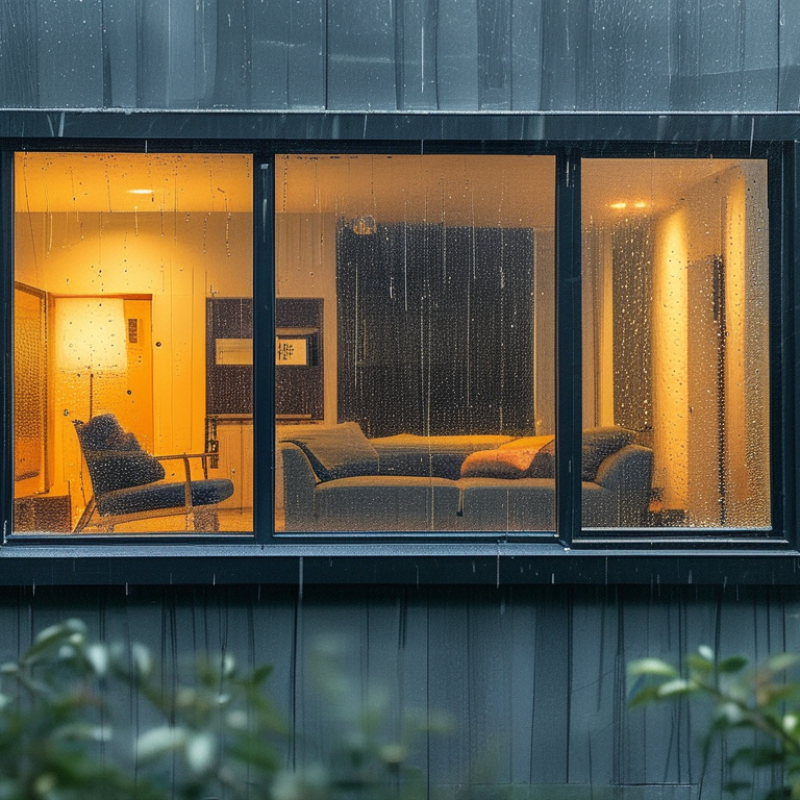
Weatherproofing your exterior windows is critical for maintaining
energy efficiency
and comfort. Reports indicate that up to
30% of energy loss in homes can occur through windows.
Proper sealing and insulation can significantly reduce this waste, saving homeowners money on energy bills.
Investing in weatherstripping is a straightforward technique. This method can easily block drafts that cause
temperature fluctuations
inside your home. Check for gaps around the window frames, as even small openings can compromise your home's comfort.
Another essential tip is to
inspect your windows regularly. Over time, caulk can crack, and seals weaken. Failing to address these issues can lead to more significant problems, including
water damage and
mold growth. A professional study shows that homes with well-sealed windows experience a
15% increase in energy efficiency.
Adding storm windows is a reliable option, offering extra protection against harsh weather. They also provide an additional layer of insulation, reducing noise pollution. Make sure to choose materials that are
durable and
easy to maintain.
When considering window sealants for weatherproofing, understanding the options is crucial. There are several types of sealants, including silicone, polyurethane, and acrylic latex. Silicone sealants are favored for their elasticity and temperature tolerance. According to the American Society of Home Inspectors, over 20% of home energy loss occurs through poorly sealed windows.
Polyurethane sealants offer strong adhesion and durability. They excel in extreme weather conditions but can be challenging to apply. A study from the National Institute of Standards and Technology found that buildings with proper weatherproofing can achieve energy savings of up to 30%. This emphasizes the importance of choosing the correct sealant for exterior windows.
While acrylic latex sealants are easy to apply and paintable, they are less durable. Homeowners often overlook the need to replace old seals, which can create gaps that invite drafts. Reflecting on this, it’s clear that careful selection and application of window sealants can significantly enhance energy efficiency and comfort. Each sealant has its strengths and weaknesses that must be evaluated for optimal performance.
Proper window insulation plays a vital role in maximizing energy efficiency in homes. Windows are often the weakest link in a home’s thermal envelope. Poor insulation can lead to significant heat loss during winter months and can allow unwanted heat gain in the summer. Consequently, inadequate insulation can result in higher energy bills and a less comfortable living environment.
Using quality weatherproofing materials and techniques can drastically improve window performance. For instance, installing weatherstripping around window frames can seal gaps that contribute to drafts. Caulking can fill larger spaces and prevent air leaks. These measures not only enhance comfort but also lower your heating and cooling costs. However, home improvement isn’t always straightforward. Many may overlook small cracks or gaps, thinking they are insignificant. Neglecting these issues can lead to bigger problems down the road. Regular inspections and maintenance are key to addressing these elements effectively.
Another important factor is the choice of window treatments. Energy-efficient window films can reflect heat, while thermal curtains provide additional insulation. However, the effectiveness of these solutions can vary based on different factors such as window orientation and local climate. It’s crucial to consider these elements when selecting treatments. Effective insulation requires continuous reevaluation. Homeowners must remain vigilant and proactive in their efforts to improve window efficiency for sustained energy savings.
Regular maintenance is crucial for keeping your exterior windows weatherproof. In fact, timely inspections can prevent extensive damage and costly repairs. Inspect seals and weatherstripping every season. Look for signs of wear, such as cracks or gaps. Regular upkeep ensures that your windows perform at their best.
Consider cleaning your windows regularly. Dirt and grime can degrade seals over time. Use a gentle solution and avoid harsh chemicals. Remember, the goal is to maintain the integrity of your weatherproofing. If left unchecked, even small issues can escalate into significant problems.
Think about applying weatherproofing materials as needed. Caulking around frames can help seal gaps. Reapply if it becomes brittle or cracked. This simple task can greatly enhance insulation. Every year, set aside time to assess and address these areas. Keeping a checklist might help, but remember that perfection is not always achievable. Sometimes, you might overlook small details, and that’s okay. Learning from these oversights can improve your maintenance routine.
Identifying and repairing common window leaks and drafts is crucial for energy efficiency. The U.S. Department of Energy states that windows account for about 25% to 30% of residential energy use. Drafty windows not only let in cold air but also drive up energy bills. Regular checks can help identify problem areas before they escalate.
Start by inspecting the seals and weather stripping around your windows. Look for cracks or wear. A simple test is to run your hand along the frame on a windy day. If you feel a draft, you likely have a leak. Moreover, using a blower door test can quantify air leakage more precisely. Studies show that leaks can increase energy costs by 10% to 30%.
Consider applying caulk to visible gaps. Use foam sealant for larger cracks. These materials are readily available and easy to apply. If drafts persist, it may be time to replace your windows. Experts suggest that energy-efficient windows can reduce energy costs by up to 15%. Regular maintenance and timely repairs can lead to a more comfortable home and improved energy efficiency.
: Weatherproofing prevents significant energy loss, which could account for up to 30% of a home's energy waste.
Weatherstripping can effectively seal gaps around window frames. Even small openings cause temperature fluctuations.
Regular inspections are necessary. Caulk can crack over time, leading to potential water damage and mold.
Storm windows add protection and insulation, reducing noise pollution and shielding against harsh weather conditions.
Common sealants include silicone, polyurethane, and acrylic latex. Each has different strengths and weaknesses to consider.
Poor window insulation can lead to higher energy costs. Quality materials can significantly improve efficiency and comfort.
Many homeowners overlook small cracks as insignificant. Neglect can lead to bigger issues and increased expenses.
Energy-efficient window films and thermal curtains can improve insulation, but effectiveness depends on factors like climate.
Continuous reevaluation is crucial. Homeowners need to stay proactive to sustain energy savings long-term.
Yes, old sealants can create gaps. Regular replacement and maintenance are essential for optimal performance.
The article "10 Best Weatherproofing Tips For Exterior Windows" provides essential insights into how to effectively protect windows from the elements. It covers ten crucial techniques, including the various types of window sealants and their appropriate applications to ensure maximum protection. The significance of proper insulation for enhancing energy efficiency is emphasized, highlighting how effective weatherproofing helps reduce energy costs and environmental impact.
In addition to installation tips, the article stresses the importance of regular maintenance as a cornerstone of durable weatherproofing. Readers are educated on identifying common window leaks and drafts, along with practical repair strategies to enhance their home's overall resistance to weather-related issues. Implementing these weatherproofing tips for exterior windows not only safeguards structures but also contributes to improved comfort and energy savings.

CKY Home