Choosing the right flooring for high traffic areas is crucial. In 2026, the landscape of tile options has evolved significantly. According to flooring expert John Smith, “The best tiles for high traffic areas must blend durability with style.”
High traffic areas, such as entryways and living rooms, require materials that withstand wear. Selecting tiles that resist scratches and stains is essential. In addition, the design should enhance the space. Consider not only aesthetics but also safety and comfort.
The best tiles for high traffic areas should balance functionality with visual appeal. Many options might meet durability standards, yet lack in style. Reflect on your needs and lifestyle. The ideal choice makes an area welcoming while being resilient. As trends shift, staying informed will aid in making the right selection.
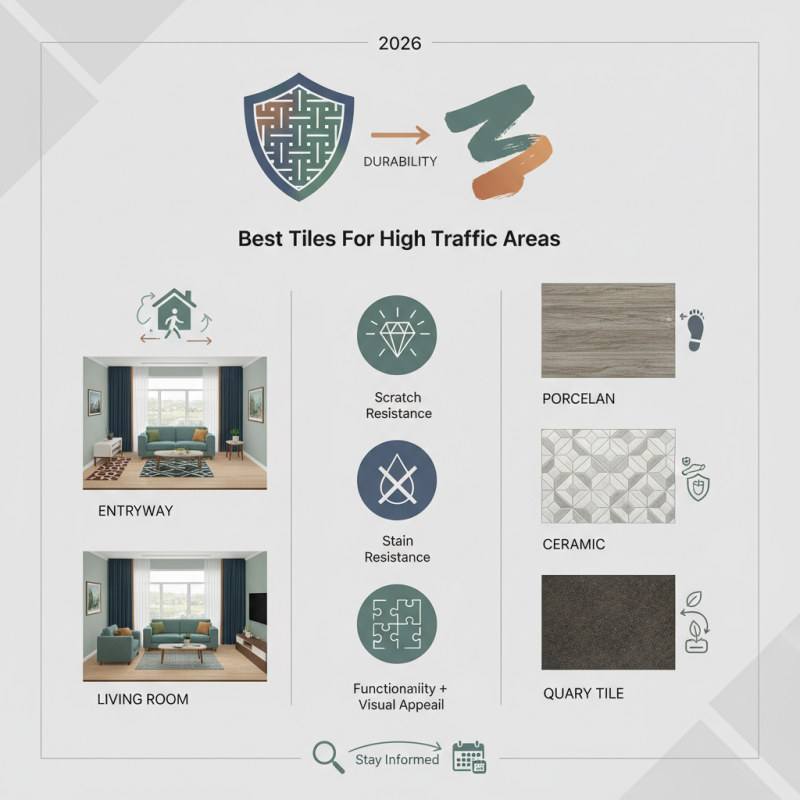
When selecting tiles for high traffic areas in 2026, it's crucial to focus on durability and style. High-traffic spaces, like hallways and entryways, endure heavy use. You want tiles that resist wear and tear while maintaining appeal. Porcelain and ceramic tiles are popular due to their ability to withstand impacts and foot traffic.
Tips for choosing the right tile include considering slip resistance. Textured tiles can provide better grip, especially in busy environments. Also, think about the maintenance required. Some tiles require regular sealing, while others are more forgiving. This could save time and effort in the long run.
Color plays a significant role too. Lighter shades may hide dirt and scratches better than darker ones. Still, they show stains quickly. Assessing your specific needs will help inform your choice. Testing samples in your space is beneficial. This can reveal how they look under different lighting.
When choosing tiles for high traffic areas, durability is crucial. You want tiles that can withstand heavy foot traffic without showing signs of wear. Look for materials like porcelain or ceramic that offer strength. These options are less prone to scratching and chipping.
Style also matters. Aesthetic appeal can enhance your space. Opt for colors and patterns that complement your decor while being practical. Darker shades can help hide dirt and scratches. Consider textures that may add grip for safety, especially in busy environments.
Tips: Always test samples in your space. This way, you can ensure the color and texture fit well with your lighting and furniture. Additionally, think about slip resistance. It’s vital in areas prone to spills. Don’t just focus on looks; balance is key. Remember, a perfect-looking tile can lead to regrets if it doesn’t perform well.
Reflect on maintenance as well. Some tiles require more upkeep than others. Understand the cleaning process for your chosen tile. It’s essential to have a balance between beauty and ease of care. Select a tile that meets your aesthetic needs while remaining practical for everyday use.
High traffic areas demand tiles that not only look good but are also durable.
Porcelain tiles are a fantastic choice for such spaces. They are dense and resistant to impact, making them ideal for busy homes and offices. Many designs mimic natural stone or wood, providing aesthetic appeal without compromising on durability.
Another option worth considering is ceramic tiles.
These are easy to maintain and come in a variety of styles. Their glazed surface helps resist stains, which is essential in high-traffic environments. However, they can be less durable than porcelain, especially if dropped.
Natural stone tiles like granite or slate add elegance but require more TLC.
They are prone to scratching and may need sealing. This means regular maintenance, which can be a drawback for some. Understanding the trade-offs between aesthetics and practicality is crucial in choosing the right tiles.
In 2026, high-traffic tiles are set to embrace innovative design trends. Durability remains crucial, especially in busy environments. Reports indicate that 85% of consumers prioritize functional aspects over aesthetics when choosing flooring. This reflects a shift towards resilient materials that withstand constant wear while maintaining visual appeal.
Matte finishes and textured surfaces are gaining traction. These choices not only hide scuffs and dirt but also add depth to spaces. Designers are increasingly favoring neutral palettes blended with vibrant accents. This combination allows for versatility, fitting various styles from modern to rustic. According to industry statistics, tiles with anti-slip properties have seen a 30% rise in demand.
Sustainability is another focal point in 2026. Many consumers now seek eco-friendly options, pushing brands to innovate. Tiles made from recycled materials are gaining popularity. However, sourcing sustainable materials remains a challenge, creating a complex dynamic within the industry. There's a clear need for ongoing reflection on how design choices impact the environment while still ensuring longevity in high-traffic areas.
High traffic areas demand durable tiles. Choosing the right type is crucial. Yet, even the best tiles require maintenance. Regular cleaning is essential to keep them looking new. Use a mild detergent and warm water for routine cleaning. Avoid harsh chemicals that can damage the surface.
Inspect the tiles regularly for cracks or chips. Small issues can become bigger problems if left untreated. Replace damaged tiles promptly. This helps maintain the aesthetic and functional integrity of the area. Sealing grout lines can prevent stains and moisture buildup. This simple step prolongs the life of the tiles.
It’s important to be proactive about maintenance. Sweeping or vacuuming daily can remove dirt and debris. This prevents scratches and dullness. Also, use mats at entry points to reduce wear. However, it’s easy to overlook these small tasks amidst busy schedules. Make it a habit to check the condition of your tiles regularly. Small, consistent efforts yield lasting benefits.
| Tile Type | Durability Rating | Slip Resistance | Maintenance Level | Cost (per sq ft) |
|---|---|---|---|---|
| Porcelain | High | Good | Low | $3 - $7 |
| Ceramic | Medium | Fair | Medium | $2 - $5 |
| Vinyl | Medium | Good | Low | $1 - $4 |
| Natural Stone | Very High | Excellent | High | $5 - $15 |
| Glass | Medium | Good | Medium | $6 - $12 |
: Focus on durability and style. Porcelain and ceramic are ideal as they resist wear and tear.
Slip resistance is vital, especially for areas prone to spills. Textured tiles offer better grip for safety.
Testing samples helps you see how colors and textures work in your space and with lighting.
Darker tiles can hide dirt and scratches better. However, they may show stains more prominently.
Regular cleaning with mild detergent is necessary. Inspect for cracks regularly and seal grout lines.
Daily sweeping or vacuuming removes dirt. Using mats at entry points reduces wear on tiles.
No, balance is essential. A beautiful tile may not work well if it lacks durability or is hard to maintain.
Avoid harsh chemicals that can damage tile surfaces. They can lead to long-term degradation.
Regular inspections are crucial. Small damages can escalate if ignored, affecting appearance and functionality.
Proactive maintenance prevents issues before they arise. Consistent care leads to better performance and appearance.
When selecting the Best Tiles for High Traffic Areas in 2026, it is essential to consider various factors to ensure durability, style, and functionality. Key considerations include the material’s resistance to wear, slip resistance, and ease of maintenance. Popular tile materials that excel in high-traffic scenarios include porcelain, ceramic, and natural stone, each offering unique aesthetic qualities alongside superior durability.
In 2026, design trends for high traffic tiles emphasize not only practicality but also style, with a focus on textures and bold patterns. To maintain optimal condition, regular cleaning and appropriate maintenance routines are vital. By understanding these essential elements, homeowners and designers can confidently choose the Best Tiles for High Traffic Areas that meet both performance and design criteria.

CKY Home