Creating an efficient kitchen is crucial for a smooth culinary experience. The layout of kitchen cabinets plays a significant role in enhancing functionality. Exploring various Kitchen Cabinet Layout Ideas For Efficiency helps in maximizing storage while ensuring ease of access.
Consider the work triangle principle, which connects the sink, stove, and refrigerator. An effective cabinet layout can streamline meal preparation and cooking. It is important to think about how often you cook. If cooking is a daily activity, a more accessible layout is necessary.
Incorporating open shelving can add visual appeal while keeping essentials within reach. However, this might lead to clutter if not managed well. Reflecting on the balance between aesthetics and function is vital. Every kitchen is unique, and finding the perfect cabinet arrangement may require trial and error. Emphasizing efficiency while embracing imperfections can lead to a more personalized space.
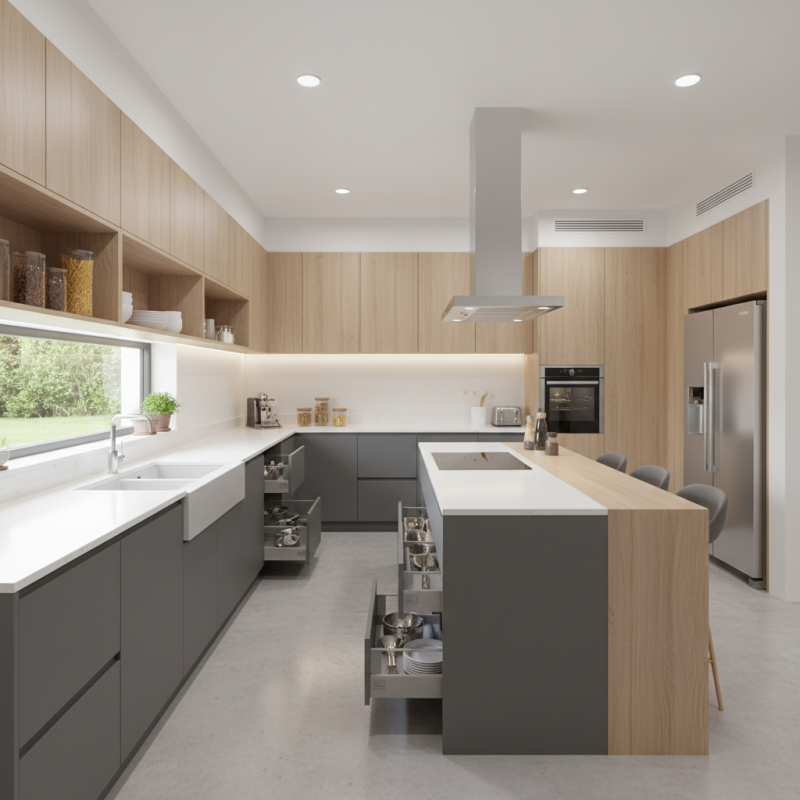
When designing a kitchen cabinet layout, focusing on efficiency is crucial. One well-known principle is the "work triangle," which connects the sink, stove, and refrigerator. This triangle helps minimize steps between the most used areas. Ensure there’s ample space so multiple people can work simultaneously without feeling cramped.
Another essential point is the height and depth of cabinets. Wall cabinets should be placed within easy reach but not so high that they become impractical. Deep drawers for pots and pans are great for accessibility. However, cabinets that are too shallow may waste space. Consider your cooking and storage habits. Customizing cabinet placement based on your needs makes a difference.
Reflect on your current layout. Are you constantly running out of space? Or are certain areas chaotic? These issues can reveal flaws in the design. An efficient layout should reduce clutter and enhance workflow. Optimizing storage and usability can transform your kitchen experience. Thoughtful design takes time and input from all users.
This chart illustrates the efficiency scores of various kitchen cabinet layouts. U-shaped layouts typically provide the highest efficiency, followed by L-shaped and island designs, making them popular choices for maximizing kitchen functionality.
Maximizing kitchen space requires strategic cabinet placement. According to industry studies, optimal cabinet layout can improve workflow by up to 30%. The classic work triangle—sink, stove, refrigerator—remains essential. Cabinet positioning should reduce distance between these key areas.
Consider creating zones within your kitchen. For instance, have a prep zone with easy-to-reach utensils and spices. The storing zone, where your cookware and dishes are handy, can further boost efficiency. Research shows that well-organized kitchens reduce food prep time significantly. Use pull-out shelves or lazy Susans to utilize corner spaces effectively.
Don’t overlook vertical space. Installing cabinets that reach the ceiling can maximize storage without increasing the kitchen's footprint. However, accessing top shelves might pose a challenge. A step stool or pull-down racks may be necessary. Assessing these layouts regularly can reveal areas needing improvement. Efficiency is about constant refinement, not perfection.
When designing kitchen cabinets, organizing them into functional zones can dramatically enhance workflow efficiency. Research by the National Kitchen and Bath Association (NKBA) indicates that an efficient kitchen layout can improve productivity by up to 25%. This efficiency often stems from strategically placing cabinets where specific tasks occur most frequently. For instance, having pots and pans close to the stove and utensils near prep areas minimizes unnecessary movement.
Creating distinct zones for cooking, cleaning, and storage is crucial. The common triangle layout makes it easier to navigate between these zones. According to a survey by Houzz, 64% of homeowners prioritize work efficiency in their kitchen designs. Properly divided zones can reduce clutter and streamline cooking processes. However, many homeowners overlook the importance of access. Over the years, some designs have favored aesthetics over practicality, leading to frustrating experiences.
Consider incorporating pull-out shelves or deep drawers for better access to items. Reports indicate that 30% of homeowners regret their choice of cabinet styles due to lack of functionality. Ensuring that frequently used items are easily accessible fosters a more enjoyable cooking experience. Embracing a reflective approach when planning cabinet layouts can lead to improvements and satisfaction in your kitchen endeavors.
Choosing the right storage style for your kitchen can significantly impact efficiency. Vertical storage utilizes height, allowing you to maximize space. According to a report from the National Kitchen and Bath Association, 72% of homeowners prefer vertical storage solutions for smaller kitchens. Wall-mounted shelves and tall cabinets can be practical, making frequently used items more accessible.
Horizontal storage options, like wide drawers, offer convenience for larger items like pots and pans. This style facilitates easy organization. An American Institute of Architects survey noted that 65% of designers advocate for wide drawers in modern kitchens. However, it’s essential to consider the flow of the kitchen. Poor placement can lead to inefficiencies, causing clutter and chaos in your cooking area.
Reflecting on these options, the challenge lies in balancing aesthetics with functionality. Often, vertical storage can become overcrowded, while horizontal storage may lead to forgotten items at the back. Rethinking the layout and experimenting with various combinations allows homeowners to tailor their spaces for optimal use.
Maximizing kitchen cabinet functionality requires clever accessory storage solutions. Pull-out shelves can transform deep cabinets into accessible spaces. These shelves allow easy access to pots, pans, and miscellaneous items. Consider using clear bins to categorize smaller kitchen accessories. This way, you can quickly locate what you need without rummaging through clutter.
Adding vertical dividers in cabinets can significantly enhance storage efficiency. They keep cutting boards and baking sheets organized. A lazy Susan can also be invaluable in corner cabinets. It optimizes space and prevents items from getting lost in the back. Think about installing hooks on the inside of cabinet doors for hanging measuring spoons or dish towels. This approach maximizes every inch of space.
Not every solution works perfectly, and that's okay. Sometimes, a design may not fit your specific needs, requiring adjustments. You may find that certain accessories do not serve their intended purpose. Taking the time to analyze what truly enhances your workflow is essential. Experiment with different layouts to discover what maximizes your kitchen’s efficiency.
| Layout Type | Key Features | Accessory Storage Solutions | Efficiency Rating (1-10) |
|---|---|---|---|
| U-Shaped | Maximized corner space, ample countertop area | Pull-out tall cabinets, lazy Susans | 9 |
| L-Shaped | Open to dining areas, ideal for small spaces | Corner drawers, integrated spice racks | 8 |
| Galley | Efficient workflow, two parallel runs of cabinets | Pull-out shelves, wall-mounted racks | 10 |
| Island | Central storage and workspace, social interaction | Built-in wine racks, storage bins | 7 |
| Peninsula | Connected to a wall, multifunctional space | Drawer dividers, hanging pot racks | 8 |
: Strategic cabinet placement can improve workflow by up to 30%.
The classic work triangle connects the sink, stove, and refrigerator for better efficiency in movement.
Creating zones, like prep and storage, helps organize space and reduce clutter.
Consider pull-out shelves and lazy Susans for corner spaces to maximize storage.
Vertical storage uses height efficiently, especially in smaller kitchens, but may require a step stool.
Many homeowners regret their choices due to lack of functionality and accessibility.
Place pots, pans, and utensils near their respective zones to minimize unnecessary movement.
Balancing aesthetics and functionality can result in overcrowded vertical storage or forgotten items.
It reveals areas needing improvement and promotes constant refinement of efficiency.
Prioritizing functionality over aesthetics is crucial for a satisfying cooking experience.
In the quest for an efficient kitchen, the right Kitchen Cabinet Layout Ideas For Efficiency are crucial. Essential principles focus on strategic placement that maximizes space and enhances workflow. By organizing cabinets into functional zones, homeowners can streamline their cooking process and reduce clutter, ensuring that essential items are always within reach.
Additionally, choosing between vertical and horizontal storage options can greatly impact the overall functionality of the kitchen. Incorporating accessory storage solutions not only boosts efficiency but also elevates the practicality of the cabinets. This comprehensive approach to kitchen cabinet layout ensures that every inch counts, allowing for a well-designed, functional space that meets the unique needs of any culinary enthusiast.

CKY Home