 CKY Home
2026 How to Customize a Whole House Cost Effectively?
In 2026, whole-house customization is no longer only a luxury project. It is a budgeting exercise involving layout, materials, energy use, and long-term maintenance. The NAHB’s 2024 Cost of Constructing a Home survey reported an average construction cost of $428,215, or approximately $162 per square foot. Those figures make early planning essential. A beautiful design can become financially stressful when every room receives premium finishes.
This guide presents practical Cost Effective Whole House Customization Tips for homeowners, designers, and builders. It examines space planning, phased upgrades, durable materials, lighting, storage, and energy performance. ENERGY STAR states that certified new homes are at least 10% more energy efficient than homes built to standard code. That difference can influence monthly bills and future resale value. Small decisions matter.
Residential architect Sarah Susanka offers a useful principle: “The idea is not to build less house, but to build better house.” Her advice supports a value-based approach. Prioritize daily comfort before decorative complexity. Improve circulation, daylight, insulation, and storage before choosing expensive surfaces. A compact mudroom may deliver more value than a rarely used formal lounge.
The process is not perfect. Material prices change. Labor estimates can miss hidden conditions. A spreadsheet cannot predict every family need. That is the uncomfortable part. Still, a clear scope, realistic contingency fund, and staged purchasing can reduce avoidable waste. This introduction explores how to customize an entire home intelligently, without confusing higher spending with higher quality.
Define Your Whole-House Customization Goals and Budget
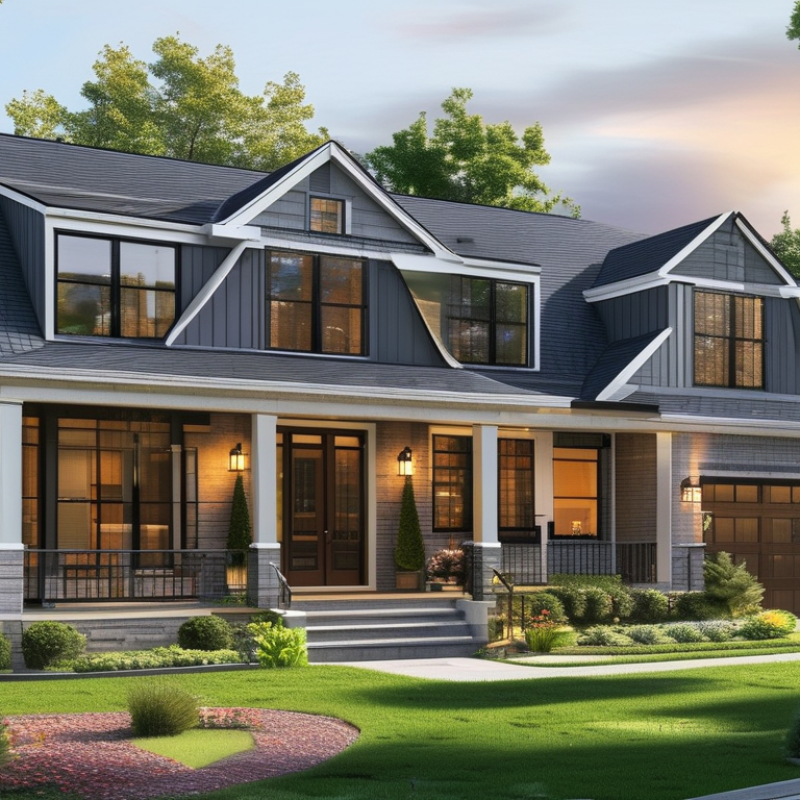
A cost-effective whole-house renovation begins with a clear definition of success. Decide whether you need better storage, improved energy performance, safer circulation, or a completely new layout. Write these goals in practical terms. For example, “add six kitchen drawers” is more useful than “modernize the kitchen.” I have found that measurable goals reduce emotional spending during construction.
Set a realistic budget before choosing finishes. Separate structural work, plumbing, electrical systems, cabinetry, labor, permits, and temporary accommodation. Keep 10% to 20% for hidden problems, especially in older homes. A damp wall or outdated wiring can change the plan quickly. Request detailed quotations, and check whether taxes, disposal, delivery, and installation are included. Cheap estimates can become expensive when important items are missing.
Tips: Rank every goal as essential, useful, or optional. Price the essential work first. Walk through the home with a qualified designer or contractor, and record measurements with photographs. Compare at least three written proposals using the same scope. Leave room for one thoughtful upgrade, but do not expand the project casually. I once underestimated lighting changes, and the correction affected several rooms. That mistake taught me to review the budget weekly, not only when invoices arrive. A simple spreadsheet can show where the money is actually going.
FAQS
: Start with air sealing, insulation, ventilation, and urgent structural repairs. These improvements support comfort, durability, and lower energy use. A drafty hallway can matter more than a decorative feature wall.
They may reduce heating and cooling costs by up to 15%. Seal attic gaps and insulate exterior walls carefully. Small leaks matter.
No. Replace windows only when existing units are damaged or inefficient. Target weak areas instead of changing every window. This protects the budget.
Keep the existing layout when plumbing works properly. Upgrade cabinet hardware, lighting, work surfaces, and storage. A minor remodel may recover about 96% of its cost, according to a 2024 national study.
Improve ventilation and waterproofing before choosing decorative finishes. Good moisture control protects walls, floors, and future repairs. Pretty finishes can wait.
Reserve about 10% to 20% of the renovation budget. Hidden wiring issues, moisture damage, and disposal costs can appear suddenly. The allowance may feel wasteful.
Compare purchase price, installation time, maintenance, and expected lifespan. Inspect samples under your home’s actual lighting. A durable floor may cost more initially but last longer in busy areas.
Request at least three proposals using identical project specifications. Each estimate should list labor, materials, waste removal, permits, payment stages, and warranty terms. Vague allowances create risk.
Check licenses, insurance, recent references, and similar completed projects. Ask former clients about delays and communication. Record every change in writing, even small ones.
Yes. A beautiful plan can fail when maintenance becomes difficult or expensive. Choose features that work hard and remain affordable to repair. Real houses reveal surprises.
Conclusion
Customizing an entire house in 2026 can be both practical and affordable when every decision begins with clear goals and a realistic budget. Cost Effective Whole House Customization Tips include evaluating the property’s structure, floor plan, utilities, and existing systems before making changes. This assessment helps identify necessary repairs, prevent unexpected expenses, and determine which improvements will provide the greatest long-term value.
Homeowners should prioritize upgrades that improve functionality, energy efficiency, comfort, and durability rather than focusing only on appearance. Comparing material options, contractor qualifications, and detailed project estimates can reveal meaningful savings without sacrificing quality. A phased plan also allows major work to be completed according to available funds and household needs. Throughout the process, regular inspections, accurate measurements, and quality checks help catch errors early and keep construction on schedule. With thoughtful planning and careful decision-making, whole-house customization can achieve a personalized result while maintaining strong control over costs.
